Assam · January
Me-Dam-Me-Phi
The Tai-Ahom ancestor-worship festival remembering the forebears of the Ahom kingdom.

Quick facts
- Festival
- Me-Dam-Me-Phi
- State
- Assam
- Place
- Sivasagar & Ahom heartland
- Month
- January
- Tribe
- Tai-Ahom
- Duration
- 1 day (31 January)
- Best for
- HeritageTai-Ahom cultureHistory
01
About Me-Dam-Me-Phi
Me-Dam-Me-Phi is the ancestor-worship festival of the Tai-Ahom community of Assam, celebrated on 31 January each year to honour the forebears who founded and ruled the six-century Ahom kingdom (1228–1826) in the Brahmaputra Valley.
The name means 'offerings to the departed and to the heavenly gods'. Rites are conducted at family shrines (Phi-Dam) and at community grounds, led by the traditional Ahom priestly clans — the Bailung, Mohan and Deodhai.
02
Festival highlights at a glance
- Ritual offerings to departed ancestors at community shrines
- Traditional Tai-Ahom priestly chants in the Tai language
- Community feasts served on banana leaves
- Best combined with a visit to the Ahom monuments at Sivasagar
03
Why visit Me-Dam-Me-Phi?
- A living link to the 600-year Ahom kingdom that shaped Assam
- Quiet, reverent counterpoint to the state's larger Bihu celebrations
- Pairs beautifully with the Rang Ghar and Kareng Ghar heritage sites
04
Festival history
The Ahoms were a Tai-speaking people who migrated from present-day Myanmar under Sukaphaa in 1228 CE and established a kingdom that ruled most of Upper Assam until the British annexation of 1826. Their ancestor-worship rites, though gradually influenced by Assamese Hindu practice, have been maintained continuously by the Bailung priesthood.
Me-Dam-Me-Phi was formally reinstated as a public festival by the Ahom associations in the late 20th century and is now recognised as a state holiday in Assam. The observance seeks to revive interest in Tai-Ahom heritage among younger generations.
05
Dates and venue
- Annual date: 31 January (fixed).
- Venue: Ahom family shrines across Upper Assam; the state-level observance is held at Charaideo, the original Ahom capital, and at Sivasagar.
- Government offices in Assam are closed for the day.
06
Tribe and community
The Tai-Ahom are the descendants of the medieval Ahom rulers of Assam. Though most Ahoms now speak Assamese and follow Assamese Hindu practice, the traditional Bailung and Mohan priestly clans preserve the Tai language, script and ritual system.
Ahom material culture — moidam (royal burial mounds), Rang Ghar amphitheatre, Kareng Ghar and Talatal Ghar palaces — is concentrated in Charaideo and Sivasagar districts and is a UNESCO World Heritage inscription (Charaideo Moidams, 2024).
07
Cultural significance
The festival links the living Ahom community to its founding ancestors and to Lengdon, the heavenly god of the Ahom pantheon. Ritual offerings ensure the ancestors' continued blessing on the family's fortunes, health and lineage.
At the state level, Me-Dam-Me-Phi is also a public affirmation of Ahom cultural identity and of the community's ongoing campaign for Scheduled Tribe status.
08
Main attractions
- Family Phi-Dam shrines with offerings of rice, meat, betel and rice-beer for departed ancestors.
- Traditional Tai-Ahom priestly chants in the Tai-Ahom language, performed by Bailung and Mohan priests.
- Community feasts served on banana leaves featuring Ahom staples — khaar, tenga, xandoh and pitha.
- State-level observance at the Charaideo Moidams — the royal burial mounds of the Ahom kings.
- Cultural programmes at Sivasagar's Rang Ghar amphitheatre with Tai-Ahom folk performances.
09
How to reach
- Air: Lokpriya Gopinath Bordoloi International Airport (GAU), Guwahati; Rowriah Airport (JRH), Jorhat is closest to Sivasagar and Charaideo.
- Rail: Simaluguri Junction (SLGR) is the nearest railway to Sivasagar; Guwahati (GHY) is the main hub.
- Road: Sivasagar is 360 km east of Guwahati on NH-27; Charaideo is a further 30 km east. Buses and shared sumos run daily; private cabs are easily arranged.
10
Permit information
No Inner Line Permit or Protected Area Permit is required for Assam. Indian and foreign nationals can travel freely with valid ID.
Foreign nationals must register at their hotel of stay in the normal way.
11
Weather and best time to visit
Late January in Upper Assam is cool and dry, with daytime temperatures of 18–24 °C and nights dropping to 8–12 °C. Mornings can be foggy along the Brahmaputra. Pack warm layers, a light jacket and closed shoes.
12
Accommodation options
Sivasagar has mid-range hotels and heritage guesthouses; Jorhat offers a wider range and is 60 km away. Ahom homestays in Charaideo and around Sivasagar are the most immersive option.
Book two to three weeks in advance; Me-Dam-Me-Phi coincides with peak winter tourist season in Assam.
13
Photography tips
- Ask the Bailung priest before photographing the ancestor rites — this is a domestic, sacred observance in most homes.
- The Charaideo moidams are best photographed in the low golden hour light of morning or late afternoon.
- Traditional Tai-Ahom dress and priestly regalia photograph beautifully with soft window light rather than direct flash.
14
Nearby attractions
- Charaideo Moidams — the Ahom royal burial mounds (UNESCO World Heritage Site, 2024).
- Rang Ghar, Kareng Ghar and Talatal Ghar — the Ahom-era pavilions and palaces of Sivasagar.
- Sivasagar Sivadol temple complex on the banks of Sivasagar tank.
- Kaziranga National Park (150 km) for one-horned rhino safaris.
16
Responsible festival etiquette
Me-Dam-Me-Phi is a living cultural event hosted by the Tai-Ahom community. Please attend as a respectful guest, not a spectator.
- Always ask permission before photographing elders, priests or performers.
- Dress modestly — cover shoulders and knees, especially around ceremonial spaces.
- Follow instructions from community elders and event organisers.
- Do not touch ritual objects, altars or sacred poles.
- Carry your waste back; avoid single-use plastics at venues.
- Buy directly from local artisans and homestays to support the host community.
17
Frequently asked questions
When is Me-Dam-Me-Phi held?+
Me-Dam-Me-Phi is celebrated in January each year at Sivasagar & Ahom heartland, Assam. It typically runs for 1 day (31 January). Exact dates vary annually — check the state tourism board nearer the date.
Which community celebrates Me-Dam-Me-Phi?+
Me-Dam-Me-Phi is celebrated by the Tai-Ahom community of Assam.
Do I need a permit to attend Me-Dam-Me-Phi?+
No Inner Line Permit or Protected Area Permit is required for Assam; an Indian visa is sufficient for foreign nationals. Long-staying foreign visitors should register with the local Foreigners Registration Officer. Permit rules change from time to time, so confirm the current position with the state authority before you travel.
Where can I stay during Me-Dam-Me-Phi?+
Options range from state-run tourist lodges to homestays and boutique camps. Accommodation books out months in advance for marquee festivals; reserve early.
Is Me-Dam-Me-Phi suitable for families?+
Yes — the festival is family-friendly. Be mindful of crowd density on main performance days and dress modestly out of respect for community traditions.
19
Plan a Me-Dam-Me-Phi journey
Journeys around Me-Dam-Me-Phi are planned and operated on the ground by Living Roots Expeditions, working with host families, village councils and tribal interpreters in Sivasagar & Ahom heartland. Private departures and small groups can be built around the festival days, with permits, transport and homestays arranged end to end. Tell us your dates and group size and we will send an itinerary and an approximate cost.
Prefer a form? Send a detailed enquiry →
Continue exploring
More festivals of Assam
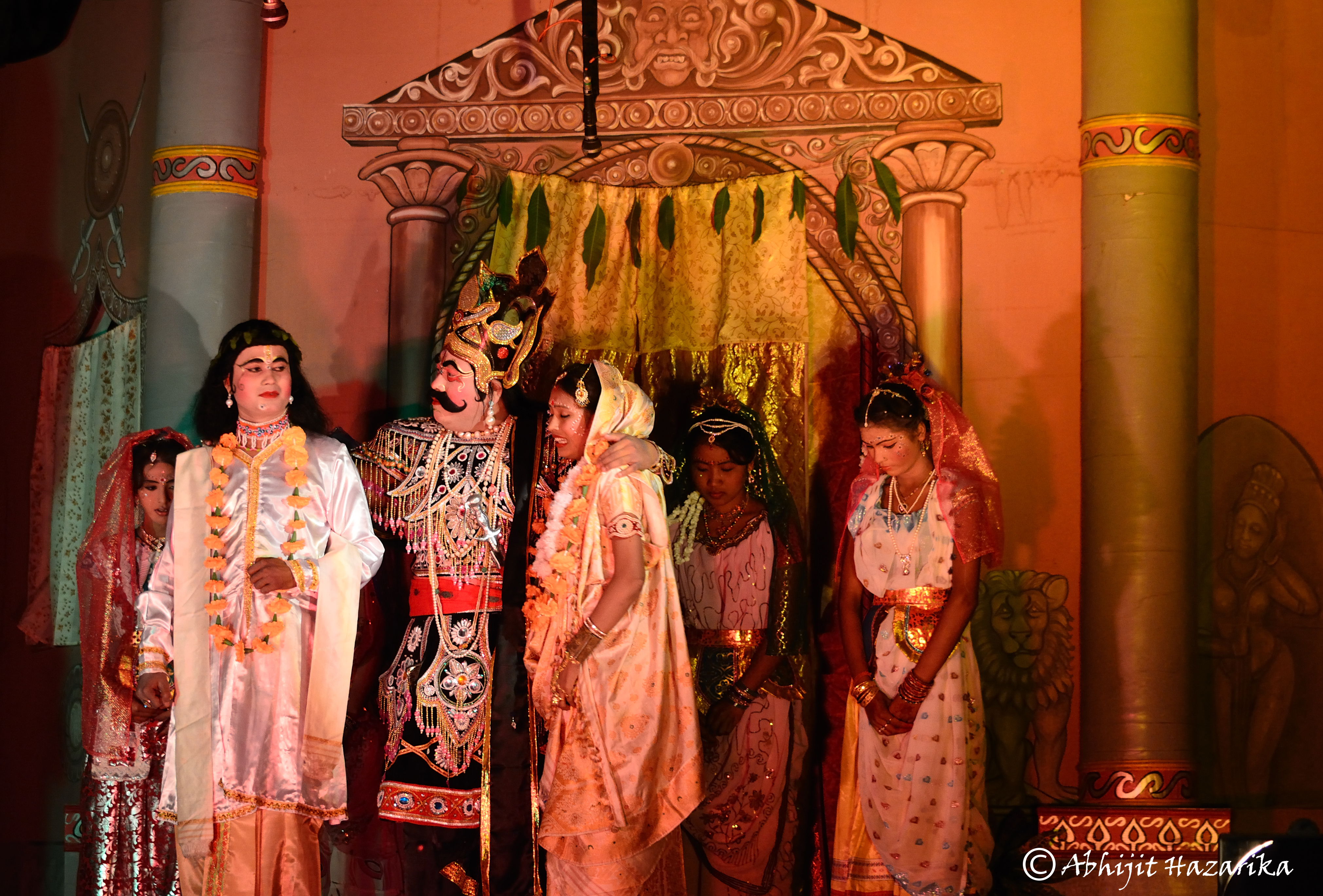


Performing traditions
Folk dances of Assam


Travel with us
Expeditions featuring Me-Dam-Me-Phi


See the full Festivals of Assam guide for the state-wide calendar, expeditions and travel advice.
From the field journal: Majuli Island — crossing the Brahmaputra to the river island, with the ferry crossing, the Satras and Samaguri mask making.
Festival calendar
Other festivals around this time
Planning a Northeast trip in January? These festivals overlap or sit close to Me-Dam-Me-Phi on the calendar.
Plan this trip
Travel to Me-Dam-Me-Phi with us.
Permits, transport, vetted homestays and on-ground guides — write to us and we'll shape an itinerary around Me-Dam-Me-Phi.