Assam · January
Joonbeel Mela
India's only surviving barter fair — three days of Tiwa trade, song and community fishing.
Quick facts
- Festival
- Joonbeel Mela
- State
- Assam
- Place
- Joonbeel, near Jagiroad, Morigaon
- Month
- January
- Tribe
- Tiwa (Lalung)
- Duration
- 3 days (weekend after Magh Bihu, mid-January)
- Best for
- Barter tradeTribal culturePhotographyRural travel
01
About Joonbeel Mela
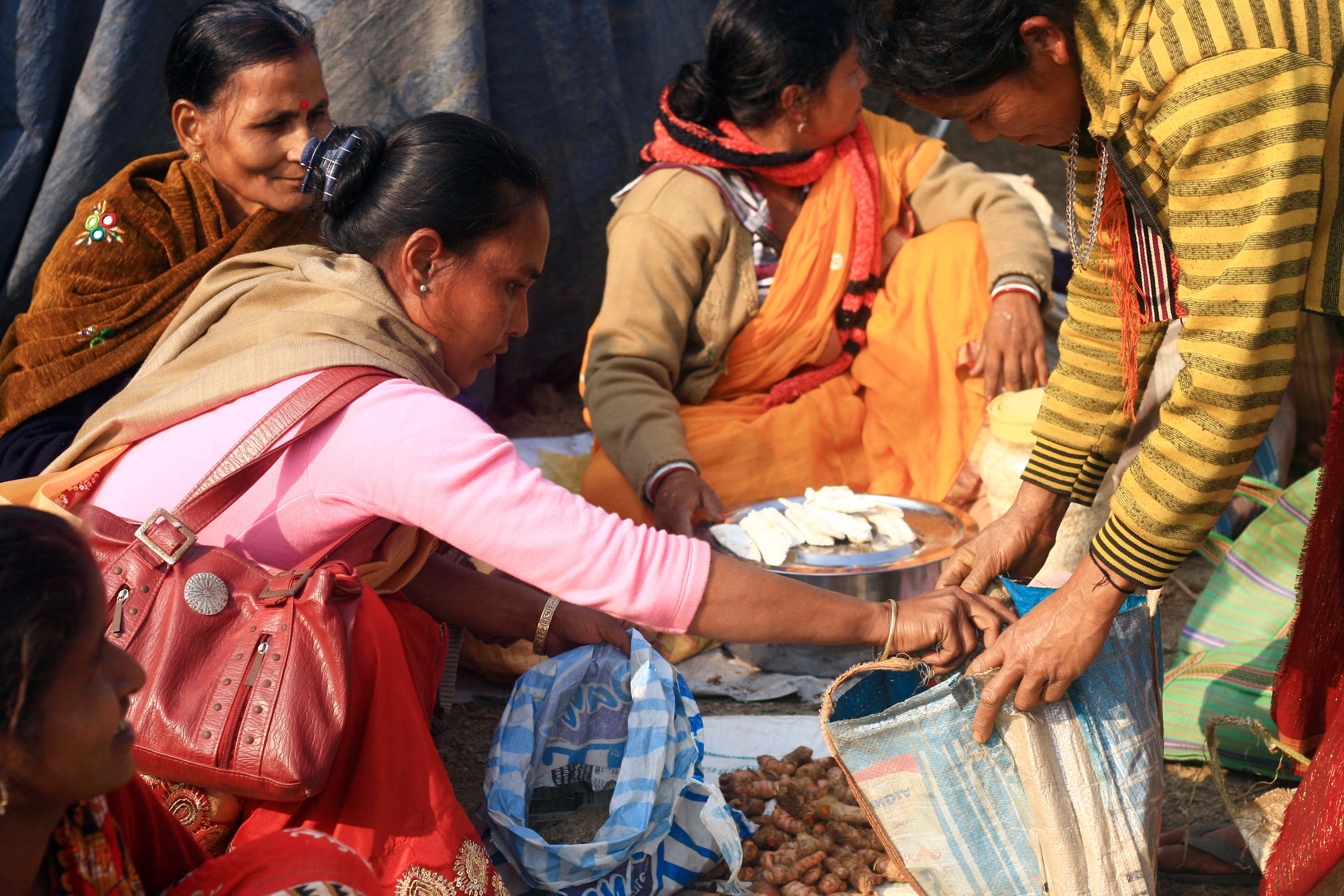
Joonbeel Mela is a centuries-old Tiwa (Lalung) community fair held on the open ground at Joonbeel, near Jagiroad in Morigaon district of Assam. It is best known as the largest surviving barter market in India — for three days each year, thousands of people from the Tiwa, Karbi, Khasi, Jaintia and Assamese communities gather to trade hill produce, dried fish, rice, herbs, bamboo goods and livestock directly, without money changing hands.
The fair takes its name from the Joonbeel (jonbil), a cluster of crescent-shaped wetlands beside the trading ground. It is timed to the weekend after Magh Bihu, usually the third or fourth week of January, and marks the beginning of the new agricultural cycle for many indigenous communities of the region.
02
Festival highlights at a glance
- Direct barter of hill produce, rice, dried fish, vegetables and handicrafts without money
- Tiwa, Karbi, Khasi, Jaintia and Assamese communities trading together on the ancient ground
- Community fishing (sualkani) in the Joonbeel wetland on the final day
- Traditional cockfights, folk songs and age-group gatherings (phuralongs)
- Ritual offerings led by the Gobha Raja, the Tiwa community elder
- Bamboo-smoked fish and fresh pithas prepared over open fires
03
Why visit Joonbeel Mela?
- One of the last living barter markets in India, reportedly older than 500 years
- A rare, non-commercial tribal fair where the exchange itself is the ceremony
- Set beside a beautiful wetland just an hour east of Guwahati
- Strong visual story for photographers — canoes, thatched stalls and hill produce
04
Festival history
Local tradition traces the fair to a period of peaceful exchange between the hill-dwelling Tiwa and their plain neighbours, formalised by a tribal chieftain and the Gobha Raja lineage. The event has continued for more than five centuries, with elders and their families returning to the same ground each year to honour ancestral ties and renew kinship networks.
Colonial and later district records mention Joonbeel as a notable tribal fair in central Assam. In recent decades it has been supported by the Government of Assam through the Department of Cultural Affairs, but the commercial structure remains rooted in direct exchange: produce is laid out, haggled over, and swapped in kind.
05
Dates and venue
- Annual dates: three days, Thursday to Saturday, on the weekend following Magh Bihu (mid- to late January).
- Venue: Joonbeel fairground, Dayang Belguri, near Jagiroad, Morigaon district, Assam.
- The main trading day is Friday; the Saturday morning community fishing (sualkani) is the most photogenic closing ritual.
06
Tribe and community
The Tiwa (also called Lalung) are a Tibeto-Burman community living mainly in the plains of Morigaon and Nagaon districts of Assam, and across the neighbouring Karbi Anglong hills. They are traditionally farmers and fisherfolk, with a distinctive musical heritage, women's dress and a system of village governance led by elders.
Joonbeel is not exclusively Tiwa. The fairground also hosts Karbi, Dimasa, Khasi, Jaintia and Assamese traders, reflecting the layered ethnic geography of the Assam–Meghalaya border region. Visitors will see this cultural mix in the dress, languages, food stalls and the goods laid out for barter.
07
Cultural significance
For the Tiwa people, the fair is a living ceremony of reciprocity and a chance to renew social bonds before the spring sowing season. The Gobha Raja performs ritual offerings, and the fairground itself becomes a space where traditional authority, kinship and economic exchange overlap.
For visitors, Joonbeel is one of the few places in India where pre-monetary exchange still happens at scale. The absence of cash, the emphasis on personal trust and the continuity of the same trading ground make it a powerful cultural document rather than a tourist spectacle.
08
Main attractions
- Barter lanes laid out by product type — hill rice, dried fish, smoked meats, bamboo baskets, herbs and fresh vegetables.
- Community fishing (sualkani) in the Joonbeel wetland on the final morning.
- Traditional cockfights, folk dances, stick-fighting and competitive games between villages.
- Ritual address by the Gobha Raja and community elders on the opening morning.
- Fresh bamboo-smoked fish, pitha, rice beer and regional snacks prepared by Tiwa families.
09
How to reach
- Air: Lokpriya Gopinath Bordoloi International Airport, Guwahati, is the nearest airport (~55 km, 1.5–2 hours by road).
- Rail: Jagiroad railway station on the Guwahati–Lumding line is the closest railhead (~6 km from the fairground). Guwahati railway station is an alternative (~50 km).
- Road: Joonbeel is just off NH-27 via Jagiroad; regular buses and shared taxis run from Guwahati (Paltan Bazar) to Jagiroad in about 1.5 hours.
10
Permit information
Indian nationals do not need any permit to visit Joonbeel or Morigaon district.
Foreign nationals must register under the Protected Area regime on arrival in Assam; your hotel, homestay or tour operator in Guwahati can assist with the same-day Foreigners Registration Office (FRO) process. Bring passport copies and a visa valid for the duration of stay.
11
Weather and best time to visit
Mid-January in Morigaon is cool and dry, with morning temperatures around 10–14 °C and daytime highs of 22–26 °C. Fog is common at dawn, so plan to arrive after 8.00 am for the clearest light and best trading activity. Pack a light jacket and a rain layer for late-evening mist.
12
Accommodation options
There is no formal accommodation at Joonbeel itself. Most visitors stay in Guwahati and travel to Jagiroad for the day, or book a guesthouse in Morigaon town. Village homestays are slowly developing in the area; contact the District Administration or the Joonbeel Mela Committee closer to the date for verified options.
13
Photography tips
- Arrive at 8.00–9.00 am to catch the first light on the barter stalls and the wetland behind the fairground.
- Ask traders before photographing their goods or transactions; many will say yes, but the barter exchange is a personal transaction.
- The Saturday morning sualkani fishing is the strongest visual moment — canoes, hand nets, reflected mist and crowds on the bank.
- Portraits of elderly Tiwa women in traditional dress are best made with a local introduction; bring small prints to share.
- A 35–50 mm lens is ideal for the crowd lanes; a telephoto helps isolate the ritual stage and the fishing action.
14
Nearby attractions
- Pobitora Wildlife Sanctuary — world-famous for one-horned rhinos, ~14 km east of Jagiroad.
- Mayong — village of magic and folk-medicine traditions, ~10 km from Pobitora.
- Jagiroad paper-mill township and local markets for bamboo and cane crafts.
- Guwahati city — Kamakhya Temple, Umananda Island, riverfront walks and dining (~55 km).
15
Festival gallery
Photographs from Joonbeel Mela, shot on our own departures and by license-cleared contributors.


16
Responsible festival etiquette
Joonbeel Mela is a living cultural event hosted by the Tiwa (Lalung) community. Please attend as a respectful guest, not a spectator.
- Always ask permission before photographing elders, priests or performers.
- Dress modestly — cover shoulders and knees, especially around ceremonial spaces.
- Follow instructions from community elders and event organisers.
- Do not touch ritual objects, altars or sacred poles.
- Carry your waste back; avoid single-use plastics at venues.
- Buy directly from local artisans and homestays to support the host community.
17
Frequently asked questions
When is Joonbeel Mela held?+
Joonbeel Mela is celebrated in January each year at Joonbeel, near Jagiroad, Morigaon, Assam. It typically runs for 3 days (weekend after Magh Bihu, mid-January). Exact dates vary annually — check the state tourism board nearer the date.
Which community celebrates Joonbeel Mela?+
Joonbeel Mela is celebrated by the Tiwa (Lalung) community of Assam.
Do I need a permit to attend Joonbeel Mela?+
No Inner Line Permit or Protected Area Permit is required for Assam; an Indian visa is sufficient for foreign nationals. Long-staying foreign visitors should register with the local Foreigners Registration Officer. Permit rules change from time to time, so confirm the current position with the state authority before you travel.
Where can I stay during Joonbeel Mela?+
Options range from state-run tourist lodges to homestays and boutique camps. Accommodation books out months in advance for marquee festivals; reserve early.
Is Joonbeel Mela suitable for families?+
Yes — the festival is family-friendly. Be mindful of crowd density on main performance days and dress modestly out of respect for community traditions.
18
Sample itinerary
- Day 1 — Arrive Guwahati; evening riverfront walk along the Brahmaputra and briefing for the fair.
- Day 2 — Early drive to Joonbeel (1.5 hours); morning opening rituals and Gobha Raja address; afternoon exploring the barter lanes and photographing trade.
- Day 3 — Full day at the fair: village dances, games, smoked-fish cooking; late afternoon return to Guwahati.
- Day 4 — Saturday morning community fishing (sualkani) at Joonbeel; continue to Pobitora Wildlife Sanctuary for a rhino jeep safari.
- Day 5 — Visit Mayong's folk-medicine centre and local craft markets; depart Guwahati in the evening.
19
Plan a Joonbeel Mela journey
Journeys around Joonbeel Mela are planned and operated on the ground by Living Roots Expeditions, working with host families, village councils and tribal interpreters in Joonbeel, near Jagiroad, Morigaon. Private departures and small groups can be built around the festival days, with permits, transport and homestays arranged end to end. Tell us your dates and group size and we will send an itinerary and an approximate cost.
Prefer a form? Send a detailed enquiry →
Continue exploring
More festivals of Assam


Performing traditions
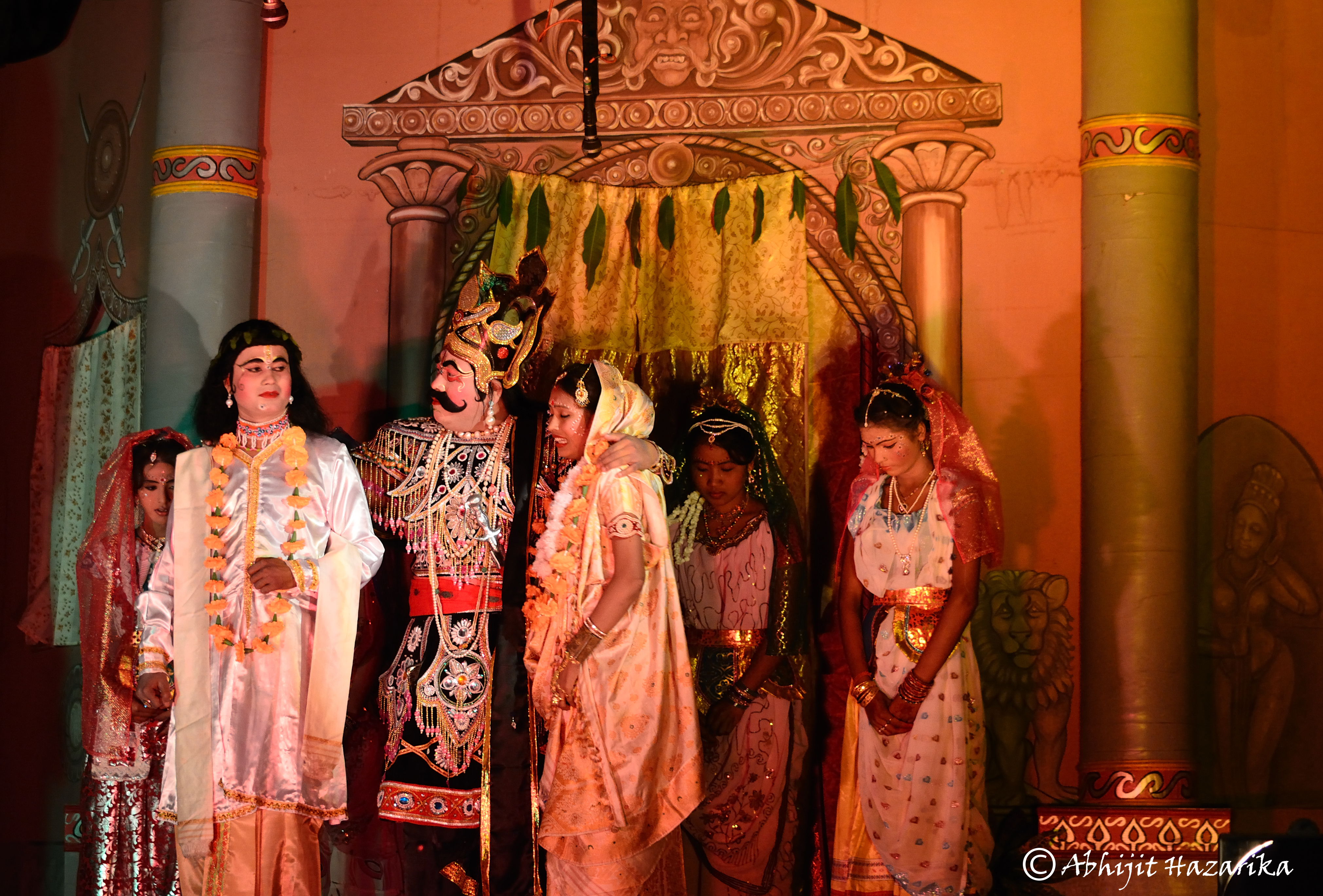
Folk dances of Assam


Travel with us
Expeditions featuring Joonbeel Mela


See the full Festivals of Assam guide for the state-wide calendar, expeditions and travel advice.
From the field journal: Majuli Island — crossing the Brahmaputra to the river island, with the ferry crossing, the Satras and Samaguri mask making.
Festival calendar
Other festivals around this time
Planning a Northeast trip in January? These festivals overlap or sit close to Joonbeel Mela on the calendar.
Plan this trip
Travel to Joonbeel Mela with us.
Permits, transport, vetted homestays and on-ground guides — write to us and we'll shape an itinerary around Joonbeel Mela.