Festivals of Manipur
Festivals of Manipur — Sangai, Yaoshang & Lai Haraoba
Manipur's festival calendar is among the richest in the Northeast — Meitei, Naga, Kuki, Pangal (Manipuri Muslim) and hill tribal communities each maintain their own rites. The Vaishnavite tradition introduced by Pamheiba in the 18th century gives the Imphal valley its distinctive Raas Leela and Sankirtana culture, while indigenous Sanamahi worship continues in parallel through Lai Haraoba and other rites.
For travellers, the flagship event is the Sangai Festival each November, a state-organised showcase of cuisine, dance, sport and craft across multiple venues in and around Imphal. Yaoshang in March, Ningol Chakouba in November and Lai Haraoba between April and June reward more in-depth cultural visits.
Festivals we cover
5 festivals

February/March · Meitei
Yaoshang
Statewide (Imphal, Bishnupur, Thoubal)
Manipur's five-day spring festival of Thabal Chongba moonlight dances and Holi colours.

April/May · Meitei
Lai Haraoba
Meitei villages across Imphal Valley
The ancient Meitei ritual festival re-enacting the creation of the universe.
April · Meitei
Meitei Cheiraoba
Cheirao Ching & Meitei villages, Imphal Valley
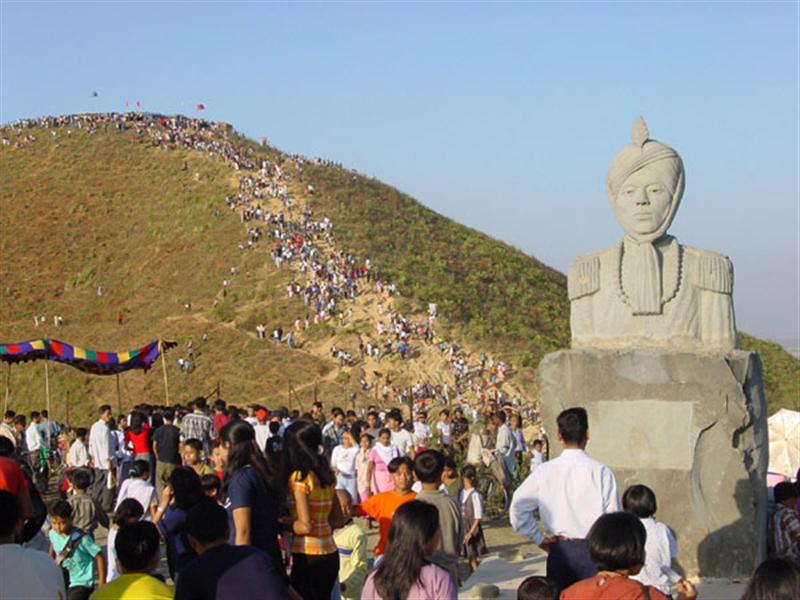
The Meitei new-year festival of house-cleaning, hill-climbing and community feasts.

October/November · Meitei
Ningol Chakouba
Meitei households across the Imphal Valley
The Meitei family festival where married daughters are invited home for a grand feast.

November · Meitei & hill tribes
Sangai Festival
Imphal
Manipur's state festival celebrating the rare brow-antlered Sangai deer.
Sangai Festival: Manipur's annual showcase
The Manipur Sangai Festival, named for the endangered brow-antlered deer of Keibul Lamjao, is held in the last ten days of November. Venues include Hapta Kangjeibung in Imphal, Loktak Lake, the Khangkhui caves and Sangai-themed villages. The festival combines classical Manipuri dance, Thang-Ta martial arts demonstrations, Mukna and Yubi Lakpi traditional games, ethnic cuisine pavilions and craft markets.
It is the easiest festival to combine with sightseeing — Kangla Fort, INA Memorial, Loktak's floating phumdis and the women-only Ima Keithel bazaar all sit within easy reach.
Yaoshang: the spring festival of light
Yaoshang in March is Manipur's version of Holi, observed for five days from the full moon of Phalguna. The Thabal Chongba moonlight folk dance brings young people together each evening; sports tournaments at every neighbourhood ground are a defining sight. Coloured powders are thrown more gently than in northern India and the celebration is deeply community-led.
Lai Haraoba: the pleasing of the gods
Lai Haraoba, observed between late April and early June, is the most important indigenous Meitei festival. Maibis and Maibas (priestesses and priests) perform the laiching jagoi cycle of dances re-enacting the creation of the world. Each village has its own host umang lai (forest deity) — Konthoujam, Sekmai, Andro and Moirang are particularly well-known centres.
Visiting a Lai Haraoba requires a local introduction; ceremonies span several days and the depth of the rites unfolds slowly.
Ningol Chakouba and the family festivals
Ningol Chakouba in November is the family festival of Manipur — married daughters return to their parents' home for a special meal hosted in their honour. Cheiraoba in April is the Meitei lunar new year, marked by household offerings and a ritual ascent of the nearest hill.
When to visit Manipur
Late November for the Sangai Festival is the practical headline date. March for Yaoshang offers a more village-rooted experience. Late April and May for Lai Haraoba is for those who want to spend time in Meitei villages.
The current political situation in some hill districts requires care; check advisories before planning travel into Churachandpur, Kangpokpi or Senapati. The Imphal valley itself remains open and accessible.
Permits, access and getting there
Foreign nationals need a Protected Area Permit for Manipur, arranged through a registered tour operator. Indian citizens do not require a permit. Imphal (IMF) has multiple daily flights from Kolkata, Guwahati, Delhi and Aizawl.
Within the valley, taxis and registered drivers handle most travel. Loktak Lake is 48 km south; Moreh on the Myanmar border is 110 km southeast.
Responsible travel in Manipur
Manipur has a strong civil-society fabric — Imphal's Ima Keithel, run entirely by women, is the most famous example. Buy directly from weavers of the phanek and innaphi, from potters in Andro, and from artisans at Sangai Festival craft pavilions.
Photography during Lai Haraoba rites is governed by the Maiba and Maibi; ask before raising a camera. Pangal and Naga community festivals have their own etiquette — defer to your local host.
Manipur festival calendar 2026
Month-by-month snapshot of the festivals listed above. Cross-reference with our complete Northeast calendar when planning a multi-state itinerary.
February 2026
- Yaoshang
Statewide (Imphal, Bishnupur, Thoubal) · Meitei
- Yaoshang
April 2026
- Lai Haraoba
Meitei villages across Imphal Valley · Meitei
- Meitei Cheiraoba
Cheirao Ching & Meitei villages, Imphal Valley · Meitei
- Lai Haraoba
October 2026
- Ningol Chakouba
Meitei households across the Imphal Valley · Meitei
- Ningol Chakouba
November 2026
- Sangai Festival
Imphal · Meitei & hill tribes
- Sangai Festival
Frequently asked questions
- When is the Manipur Sangai Festival 2026?
- The Sangai Festival is held in the last ten days of November each year — 21–30 November 2026 is the working assumption pending official announcement by Manipur Tourism.
- Do foreign tourists need a permit for Manipur?
- Yes. Foreign nationals require a Protected Area Permit, arranged through a registered tour operator. Indian citizens do not need a permit but must register at hotels as usual.
- Is it safe to travel in Manipur now?
- The Imphal valley is accessible. Travel into some hill districts may be restricted; consult a local operator and current government advisories before planning hill itineraries.
- What is Thang-Ta?
- Thang-Ta is the Manipuri martial art of sword and spear, performed today both as a fighting tradition and as a stylised dance form. It is showcased at the Sangai Festival and at Lai Haraoba.
- How do I reach Loktak Lake?
- Loktak is 48 km south of Imphal — a 90-minute drive to Moirang or Sendra. The floating phumdis and Keibul Lamjao National Park (home of the sangai deer) are the main attractions.
- When is Yaoshang 2026?
- Yaoshang 2026 will begin on the full moon of Phalguna in early March and run for five nights of Thabal Chongba folk dancing.
- What food should I try at Manipuri festivals?
- Eromba (fermented fish chutney), Chamthong (vegetable stew), Singju (spiced salad), Nga-Thongba (fish curry), Chak-Hao kheer (black-rice pudding) and the famed Tan rice flatbreads.
- Can I attend Lai Haraoba as a visitor?
- Yes, with a local introduction. Lai Haraoba is performed publicly at the umang lai grove of the host village — observe quietly, ask before photographing rites, and follow the Maiba's lead.
Plan a Manipur festival trip
Build a custom itinerary with us.
Permits, transport, vetted homestays and on-ground guides for any festival in Manipur.