Festivals of Arunachal Pradesh
Festivals of Arunachal Pradesh — Tribal & Buddhist Calendar
Arunachal Pradesh is India's most ethnographically diverse state — 26 major tribes and over 100 sub-tribes speak more than 50 languages across a territory of dense rainforest, river gorges and Himalayan ranges. Almost every tribe maintains its own festival calendar, and many of these celebrations are still inaccessible to outsiders without local introductions.
What we cover here are the festivals of Arunachal Pradesh that travellers can realistically attend in 2026 with proper planning — from the great Idu Mishmi Reh ceremony in the Dibang Valley to the Apatani Dree in Ziro, the Galo Mopin in Aalo, the Nyishi Nyokum near Itanagar, the Khampti and Singpho Sanken in Namsai, the Wancho Oriah in Longding, the Nocte Chalo Loku in Tirap, the Monpa Losar in Tawang and the alt-cultural Ziro Festival of Music.
Festivals we cover
11 festivals
February · Idu Mishmi
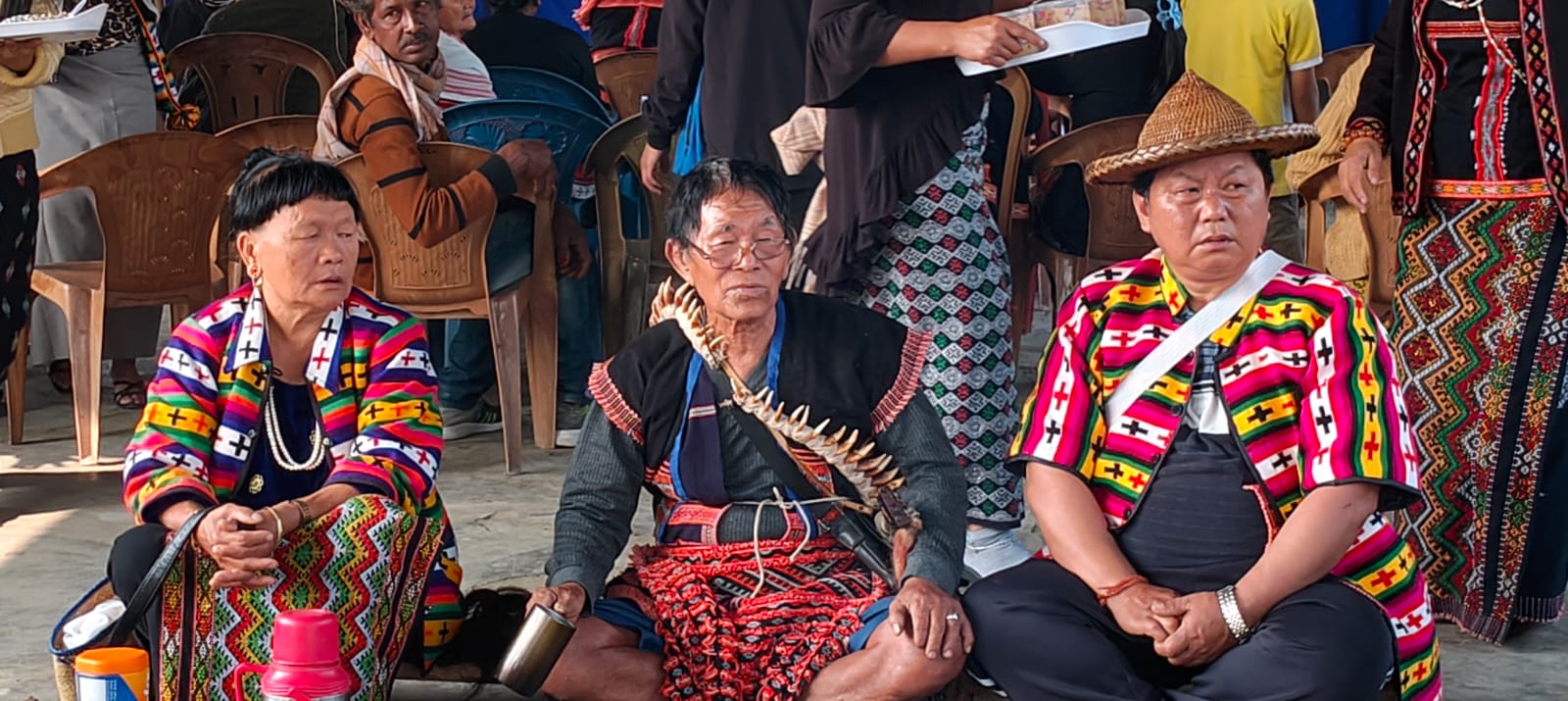
Reh Festival
Roing & Anini
The Idu Mishmi festival of brotherhood, priests' chants and mithun offerings.
February · Wancho
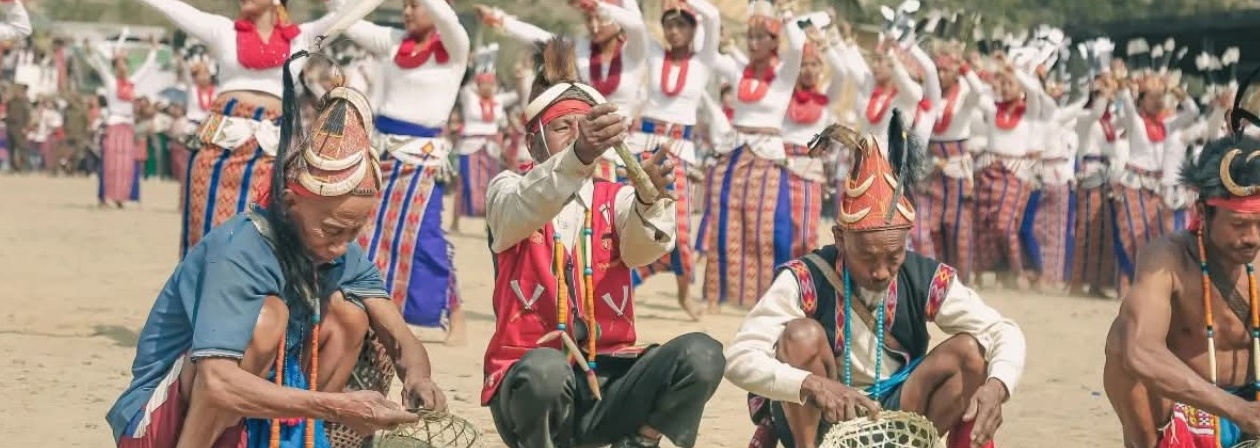
Wancho Oriah Festival
Longding District
The Wancho festival of purification, ancestor offerings and inter-village friendship.
February / March · Monpa
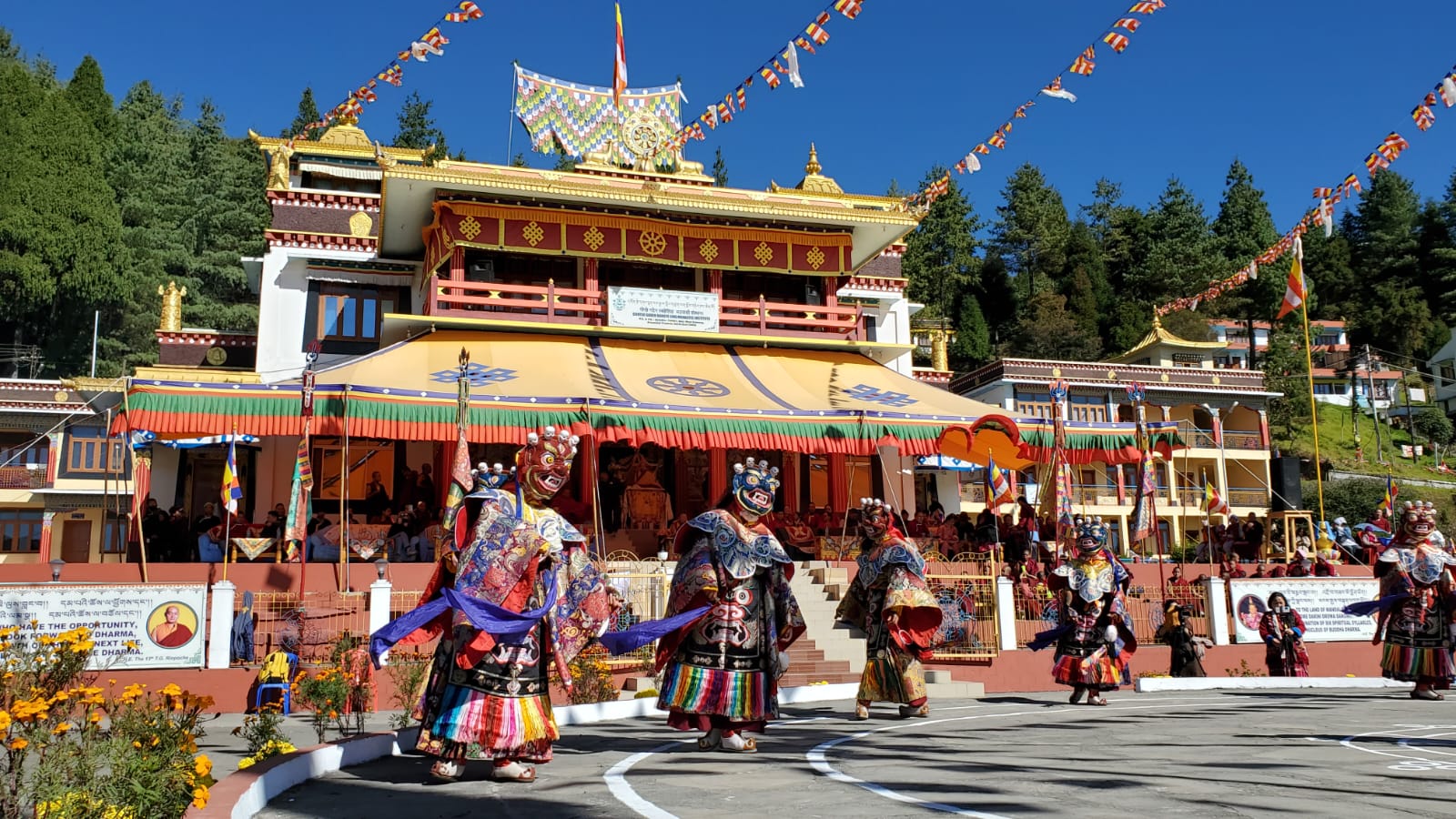
Losar Festival
Tawang
The Monpa new year — three days of monastery rituals, prayers and family feasts.

February · Nyishi
Nyokum Yullo
Itanagar & Nyishi villages
The Nyishi festival invoking Nyokum, goddess of nature and prosperity.

March · Apatani
Myoko Festival
Ziro Valley
An Apatani festival of friendship, prosperity and shared sacrifice in Ziro.

April · Galo
Mopin Festival
West Siang
A Galo agricultural festival marked by rice-paste blessings and Popir dance.
April · Tai Khamti
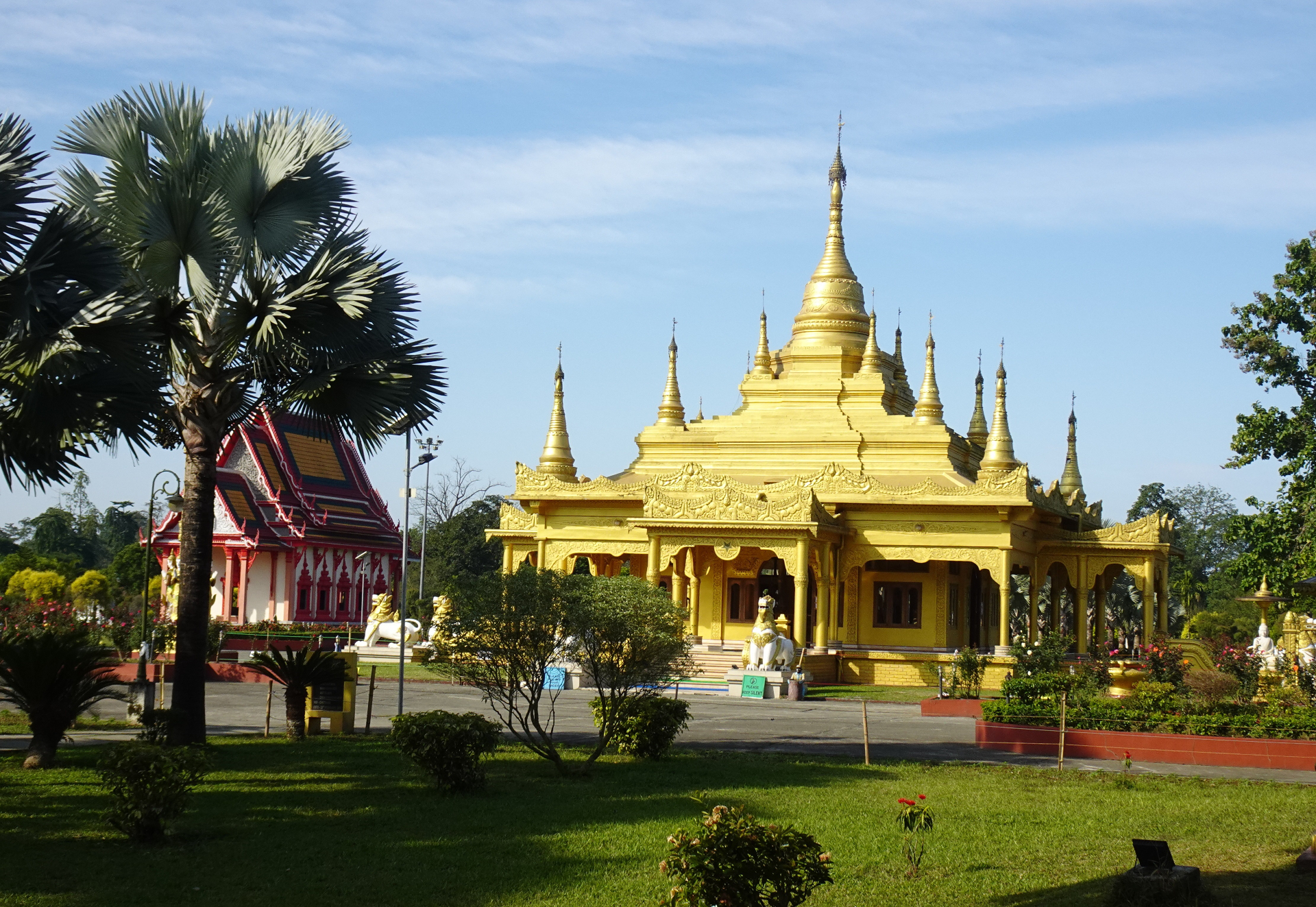
Sanken Festival
Namsai & Chongkham
The Tai-Khamti new year — gilded Buddha processions and the water-pouring ritual.

July · Apatani
Dree Festival
Ziro Valley
An Apatani agricultural festival of prayers for a bountiful harvest in Ziro.

September · Independent festival (hosted in Apatani country)
Ziro Festival of Music
Ziro Valley
India's premier outdoor indie music festival, staged in the paddy fields of Ziro.

September · Adi
Solung Festival
Adi villages, East Siang & Upper Siang
The Adi harvest festival of mithun sacrifice, Ponung dance and the Solung origin myth.
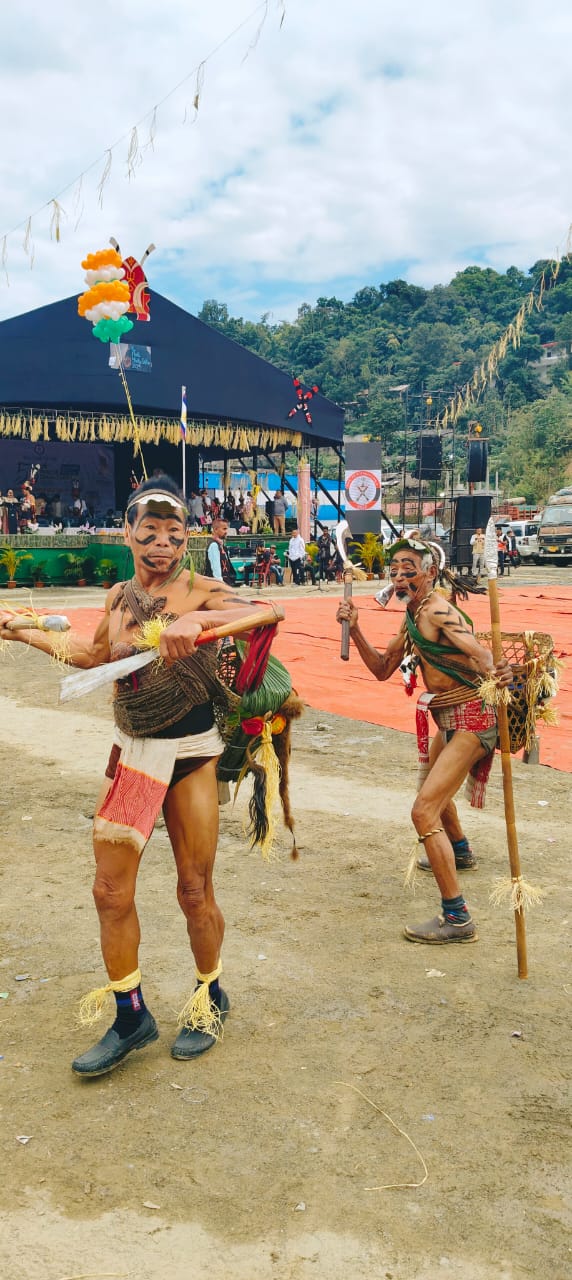
November · Nocte
Chalo Loku Festival
Khonsa, Tirap
Nocte harvest festival of swords, songs and ancestral feasts.
A state organised by river valley and tribe
Arunachal's festivals make most sense when you understand the geography. The west — Tawang, West Kameng — is Buddhist Monpa country, and the cycle follows the lunisolar Tibetan calendar: Losar in February or March, Torgya in Tawang Monastery in January, and several monastery-specific cham dance days.
The central belt — Subansiri, Siang, East Siang, West Siang — is Tani country (Nyishi, Apatani, Galo, Adi, Tagin), where animist-Donyi Polo cosmology shapes festivals like Nyokum, Dree, Mopin, Solung and Mopin. These tend to fall in late winter and early monsoon.
The east — Dibang, Lohit, Anjaw, Changlang, Tirap, Longding, Namsai — gathers Mishmi, Khampti, Singpho, Tangsa, Nocte and Wancho cultures, each with their own calendar. Reh, Sanken, Oriah, Chalo Loku and Shapawng Yawng Manaw Poi all sit in this corner of the state.
The festivals we cover in 2026
Losar (February / March) — Monpa New Year in Tawang and Bomdila. Monastery rituals, family visits, prayer-flag raising and butter-tea hospitality. The most photogenic Buddhist festival in Arunachal.
Reh (February) — The Idu Mishmi great festival in Dibang Valley. Six days of priestly chants, dance and elaborate sacrifices, hosted in turn by influential families at Roing, Anini and surrounding villages.
Nyokum Yullo (February) — The Nyishi propitiation of all deities for prosperity, peace and good harvest. Largest gatherings are at Itanagar's Nyokum Lapang ground.
Oriah (February) — Wancho ancestral festival in Longding district, around bamboo morung structures and warrior dance traditions.
Sekrenyi / Sanken (April) — Sanken is the Khampti and Singpho water-festival new year in Namsai, drawn from the wider Theravada Buddhist Songkran tradition. Buddha statues are bathed; the streets become a friendly water-fight.
Mopin (April) — Galo agricultural festival in Aalo and surrounding West Siang villages. White paste smeared on faces, popi-tapi (rice beer) shared and the popir dance performed in courtyards.
Aoleang (April) — Konyak festival across the Mon district (administratively Nagaland but reachable via the Tirap–Longding–Mon road). Often combined with Arunachal travel.
Dree (July) — Apatani harvest-protection festival in Ziro Valley. Sacrifices to Tamu, Metii, Medvr and Danyi deities to safeguard the standing rice crop. Monsoon-green Ziro at its most lush.
Ziro Festival of Music (September) — Independent music festival in the Apatani heartland. Indie, folk and alt-rock acts on bamboo stages amid working paddy fields.
Chalo Loku (November) — Nocte post-harvest festival in Tirap district. Three days of feasting, dance and the slaughter of a buffalo by the village kalyo-nokpa.
When to travel for Arunachal festivals
February and March stack the calendar densely: Losar in Tawang, Reh in Dibang, Nyokum near Itanagar, Oriah in Longding and the smaller Yang Mancha and Boori-Boot festivals across Subansiri. A 14–18 day itinerary can credibly link two or three of these.
April adds Sanken in Namsai, Mopin in Aalo and Aoleang in Mon. July belongs to Dree in Ziro. September brings the Ziro Festival of Music. October and November are harvest months — Solung (Adi, September), Chalo Loku (Nocte, late November), Sangken-related Buddhist days and many smaller village rites.
Avoid late May to late June: pre-monsoon storms can close roads in Anjaw, Dibang Valley and Upper Siang. The post-monsoon window from late September is often the most reliable for cultural travel.
Permits, access and getting there
All visitors to Arunachal Pradesh need a permit. Indian citizens require an Inner Line Permit (ILP), available online from the Arunachal government portal or at entry points like Bhalukpong, Banderdewa, Ruksin and Mahadevpur. Foreign nationals need a Protected Area Permit (PAP), arranged through a registered tour operator at least four weeks ahead.
Air access is improving rapidly. Donyi Polo Airport at Hollongi (Itanagar, IXC) opened in 2022. Pasighat (IXT), Tezu (TEI) and Ziro (ZER) have growing schedules. The historic road approaches via Guwahati to Tezpur–Bhalukpong (for Tawang), Lakhimpur–Ziro (for Apatani country) or Dibrugarh–Pasighat (for Siang and Dibang) remain the most scenic.
Within the state, distances are deceptive. A 200 km drive on the Trans-Arunachal Highway can take 8–10 hours. Budget conservatively, hire a local driver, and respect the curfew on after-dark mountain driving in many districts.
Responsible travel in Arunachal villages
Many Arunachal festivals contain rites that are not for the camera — animal sacrifices, shamanic possessions, ancestor invocations. Ask. Photographers should default to long-lens, candid, daylight images and ask before any close-up portrait.
Pay village hosts directly. Buy weaving and bamboo work from the artisans themselves at Mopin, Reh and Ziro. Carry your plastic waste back to a major town — Arunachal's waste-management infrastructure is still developing and high-altitude villages cannot absorb visitor trash.
Arunachal Pradesh festival calendar 2026
Month-by-month snapshot of the festivals listed above. Cross-reference with our complete Northeast calendar when planning a multi-state itinerary.
February 2026
- Reh Festival
Roing & Anini · Idu Mishmi
- Wancho Oriah Festival
Longding District · Wancho
- Losar Festival
Tawang · Monpa
- Nyokum Yullo
Itanagar & Nyishi villages · Nyishi
- Reh Festival
March 2026
- Myoko Festival
Ziro Valley · Apatani
- Myoko Festival
April 2026
- Mopin Festival
West Siang · Galo
- Sanken Festival
Namsai & Chongkham · Tai Khamti
- Mopin Festival
July 2026
- Dree Festival
Ziro Valley · Apatani
- Dree Festival
September 2026
- Ziro Festival of Music
Ziro Valley · Independent festival (hosted in Apatani country)
- Solung Festival
Adi villages, East Siang & Upper Siang · Adi
- Ziro Festival of Music
November 2026
- Chalo Loku Festival
Khonsa, Tirap · Nocte
- Chalo Loku Festival
Expeditions that include Arunachal Pradesh
Curated multi-day itineraries operated by Living Roots Expeditions that weave Arunachal Pradesh festivals into a wider Northeast India journey.
Cultural & Tribal · 14 Days
Arunachal Tribal Discovery Trail
A journey through the tribal landscapes of Arunachal Pradesh visiting the homelands of the Apatani, Tagin, Galo and Adi communities while exploring valleys, mountain roads, remote villages and river systems.
Cultural & Tribal · 21 Days
Northeast India Grand Cultural Expedition
A comprehensive cultural journey through Northeast India combining monasteries, tribal villages, heritage sites, tea gardens, river islands, wildlife reserves and some of the region's most iconic destinations.
Cultural & Tribal · 10 Days
Namdapha · Mon · Majuli · Kaziranga
A long arc through eastern Northeast India — from the rainforests of Namdapha and Digboi's oil heritage to Konyak Mon, the Ahom capital Sivasagar, the river island of Majuli and the rhino country of Kaziranga.
Cultural & Tribal · 10 Days
The Northeast Explorer — National Parks to Tribal Villages
A complete eastern Northeast loop linking Namdapha's rainforests, Duliajan's oil heritage, Konyak Mon, Ahom Sivasagar, Vaishnavite Majuli and the rhino country of Kaziranga.
Frequently asked questions
- Do I need a permit to visit Arunachal Pradesh?
- Yes. Indian citizens need an Inner Line Permit (ILP), available online. Foreign nationals need a Protected Area Permit (PAP) arranged through a registered tour operator at least four weeks before travel.
- Which is the most important festival in Arunachal Pradesh?
- There is no single most important festival — each tribe has its own. Among the most ceremonially significant are Reh (Idu Mishmi, February), Losar (Monpa, February/March), Nyokum (Nyishi, February) and Dree (Apatani, July).
- Can I attend the Ziro Festival of Music as a foreigner?
- Yes. The Ziro Festival of Music in September is open to all visitors; your operator will arrange the PAP. Festival camping and Apatani homestay accommodation should be booked at least three months ahead.
- When is Losar 2026 in Tawang?
- Losar follows the Tibetan lunisolar calendar and falls in late February 2026. Tawang's monastery rituals begin two days before the new year and continue for three days after.
- How do I get to the Dibang Valley for Reh?
- Fly to Dibrugarh (DIB) or Tezu (TEI), then road transfer to Roing and onward to Anini. Reh is hosted in different villages year on year — your operator confirms the host family before travel.
- Is Arunachal Pradesh safe for travellers?
- Yes. Travel with a registered operator, carry your permit at all times, and respect the after-dark driving convention. Mobile signal is patchy outside major towns; share an offline itinerary with someone at home.
- What is the best month to visit Arunachal Pradesh?
- October to April for clear weather and most festivals. Avoid late May to early September for road travel; embrace July only for Dree in Ziro or Buddhist monsoon retreats.
- What food should I expect at Arunachal festivals?
- Apong (rice beer), thukpa, momos, smoked pork, bamboo-shoot curries, fish wrapped in leaves and freshly harvested millet dishes. Monpa kitchens add yak butter tea and gyapa khazi (cheese-rice).
Plan a Arunachal Pradesh festival trip
Build a custom itinerary with us.
Permits, transport, vetted homestays and on-ground guides for any festival in Arunachal Pradesh.