Arunachal Pradesh · February
Reh Festival
The Idu Mishmi festival of brotherhood, priests' chants and mithun offerings.
Quick facts
- Festival
- Reh Festival
- State
- Arunachal Pradesh
- Place
- Roing & Anini
- Month
- February
- Tribe
- Idu Mishmi
- Duration
- 6 days (around 1–6 February)
- Best for
- Tribal heritageAnthropologyOff-beat travel
01
About Reh Festival
Reh is the most important festival of the Idu Mishmi community of the Dibang and Lower Dibang valleys of Arunachal Pradesh, celebrated every February to reinforce the bond of brotherhood (golden thread) that ties together the extended Idu Mishmi family across villages.
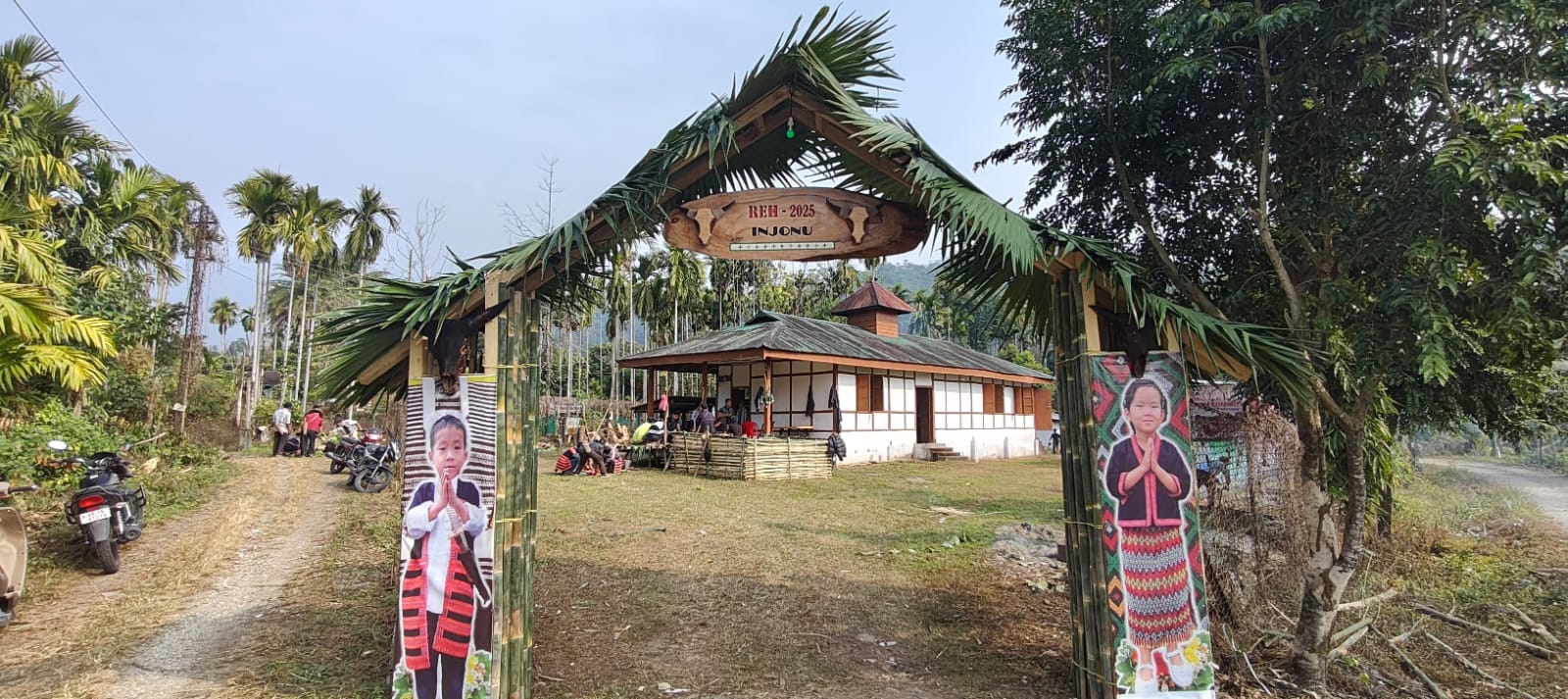
The festival is held principally in and around Roing in Lower Dibang Valley and Anini in Dibang Valley, two of the most remote district headquarters in India.
02
Festival highlights at a glance
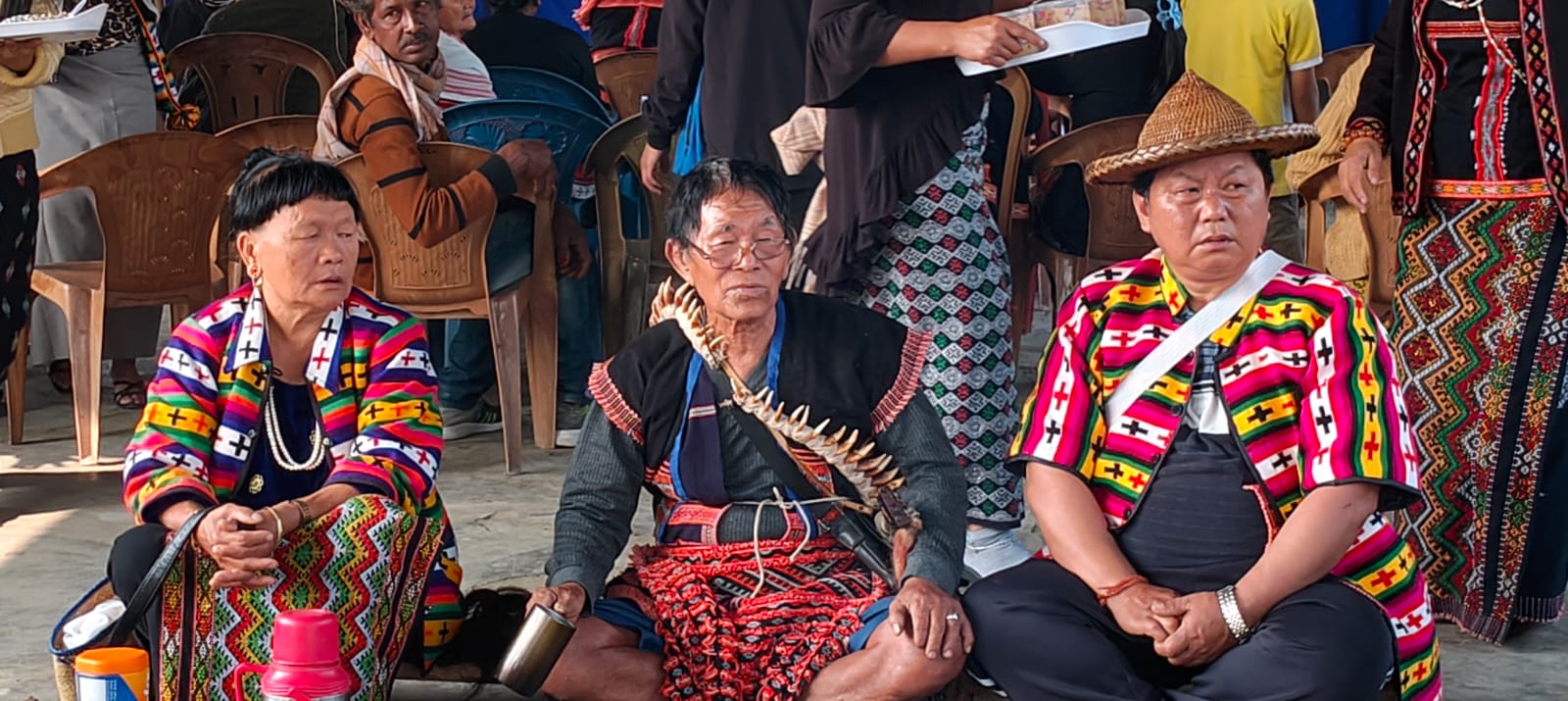
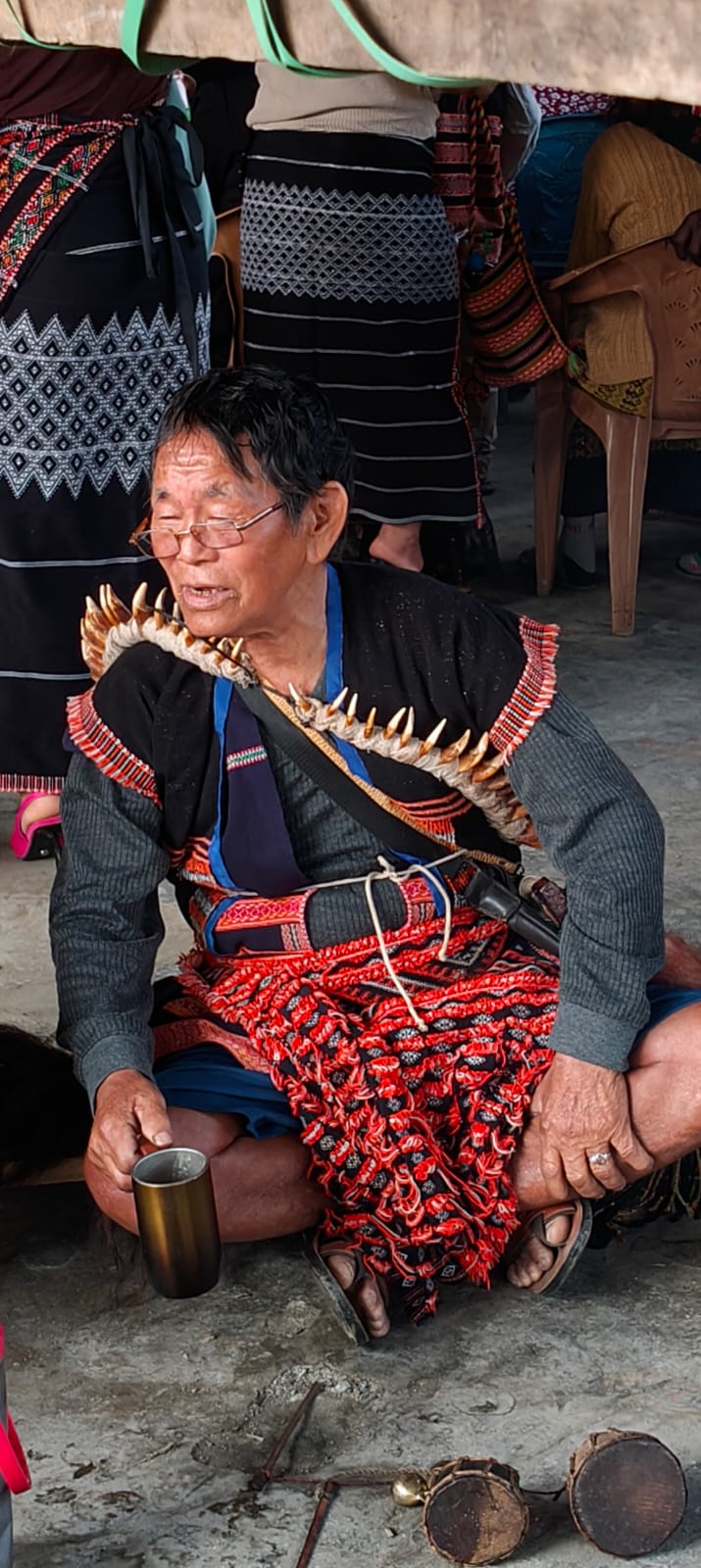
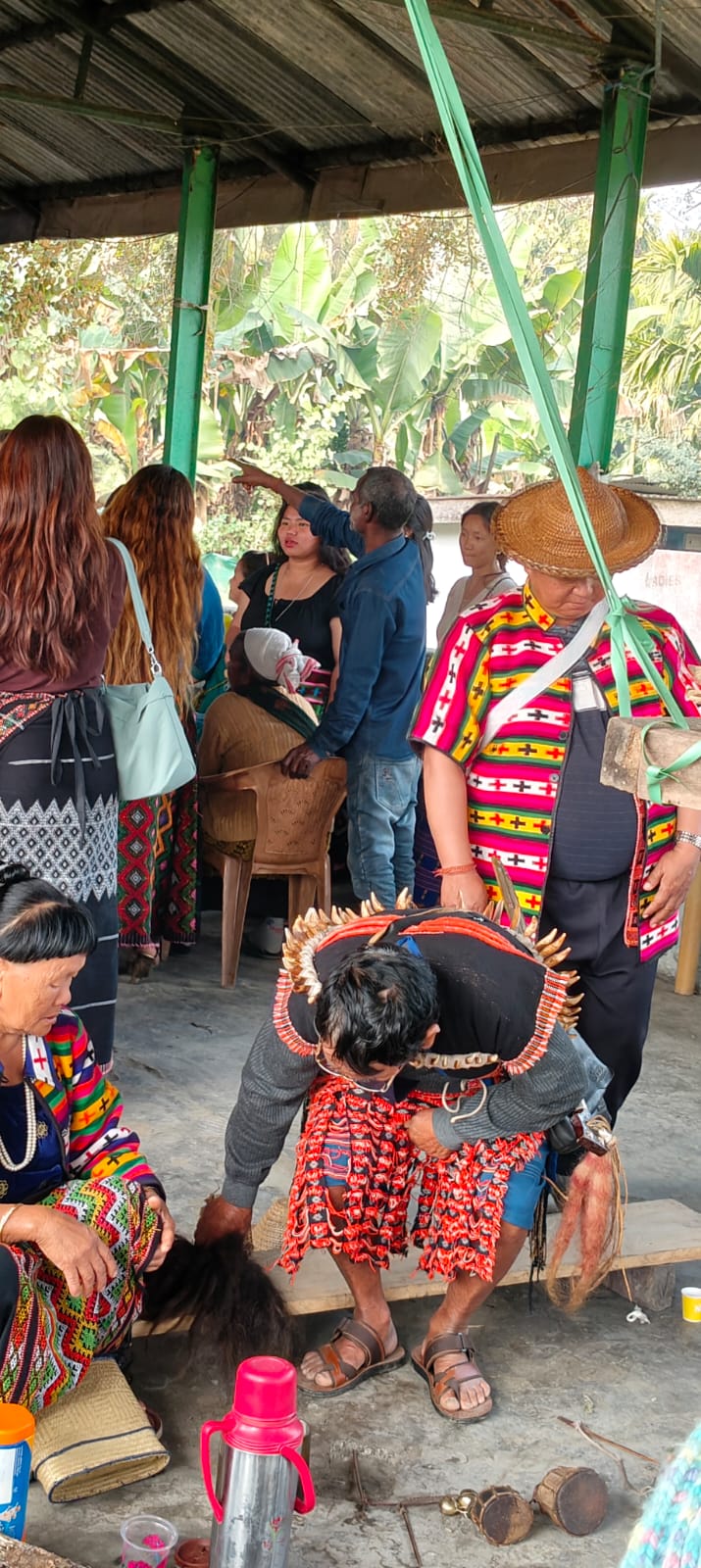
- Idu Mishmi priests (Igu) chanting through the night
- Mithun offerings binding extended Idu families
- Traditional Idu shawls with distinctive woven patterns
- Community dances in Roing and remote Anini
03
Why visit Reh Festival?
- Rare access to Idu Mishmi spiritual life in the upper Dibang valley
- Pair with Mehao Lake and Dibang Wildlife Sanctuary
- One of the most remote festivals on the calendar
04
Festival history
Reh is an ancient Idu Mishmi festival rooted in the community's Donyi-Polo (Sun-Moon) belief and the ritual authority of the Igu (priest). It was traditionally held by individual extended families when they could host it; today, a public celebration is held at Roing each February with the support of Arunachal Pradesh Tourism.
05
Dates and venue
- Annual dates: typically 1–6 February (six days) for the public state-level celebration at Roing.
- Main venues: Reh Ground at Roing, Lower Dibang Valley; village-level Reh continues to be held independently in Idu Mishmi villages across Dibang and Lower Dibang valleys.
06
Tribe and community
The Idu Mishmi are one of three Mishmi sub-groups (alongside the Digaru and Miju Mishmi), concentrated in the Dibang basin. They are matrilineally inflected and tightly clan-based, with a small total population spread across some of the highest and most forested terrain in Arunachal Pradesh.
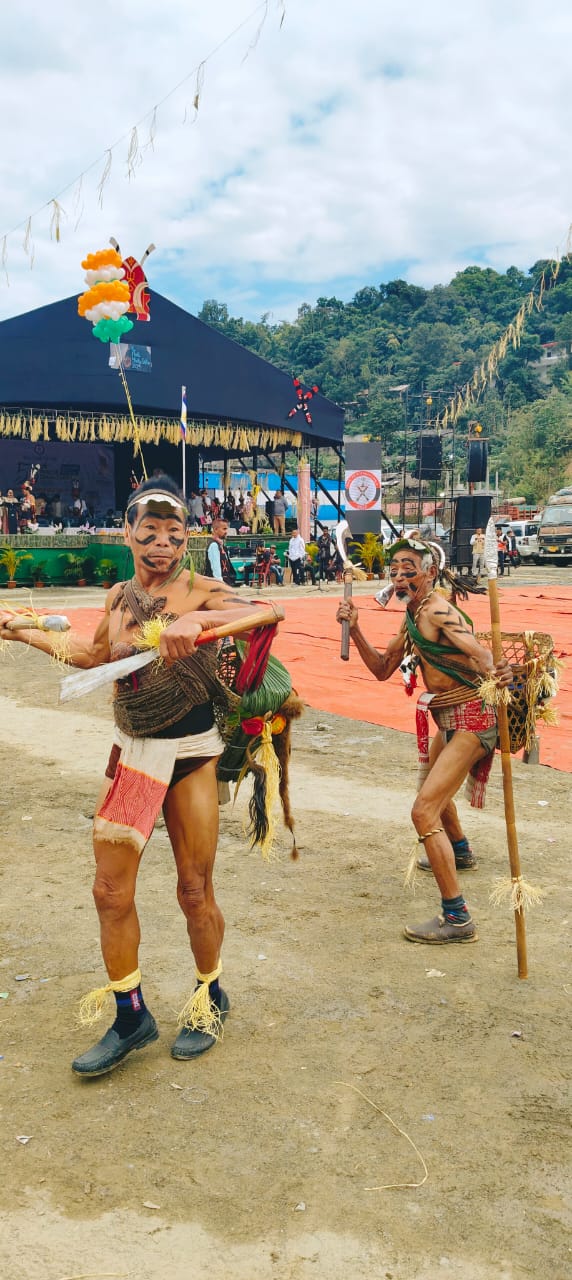
Idu Mishmi men and women wear distinctive shawls and tunics with woven geometric patterns. The Igu (priest), who chants for hours through Reh, is a central figure in the community's spiritual life.
07
Cultural significance
Reh reinforces the kinship pact between Idu Mishmi families and seeks the blessings of ancestor spirits for the well-being of the community and its livestock. Mithun (Bos frontalis) sacrifices are central to the ritual exchange.
08
Main attractions
- Igu priests chanting through the night.
- Mithun offerings binding extended Idu Mishmi families.
- Traditional Idu shawls with distinctive woven patterns.
- Community dances at Roing and the remote Anini.
- Idu Mishmi cuisine and rice-beer (yu).
09
How to reach
- Air: Dibrugarh Airport (DIB), ~155 km from Roing, is the most convenient.
- Rail: Tinsukia Junction is the nearest railhead.
- Road: From Dibrugarh / Tinsukia, Roing is a 4–5 hour drive via the Bhupen Hazarika Setu (Dhola–Sadiya bridge). Anini, deeper into the Dibang valley, is a further 9–10 hour drive from Roing on rough mountain roads.
10
Permit information
Indian nationals require an Inner Line Permit (ILP) for Arunachal Pradesh; apply online via the e-ILP portal.
Foreign nationals require a Protected Area Permit (PAP) arranged through a registered tour operator. Dibang Valley is a sensitive border area; apply at least 6 weeks in advance.
11
Weather and best time to visit
February in Roing is cool and dry, with daytime temperatures around 15–22 °C and nights around 6–10 °C. Anini, at higher altitude, is significantly colder. Pack warm layers and a windproof jacket.
12
Accommodation options
Roing has a small set of guesthouses and a circuit house. Anini's accommodation is very limited (mostly the circuit house and a few homestays); book through a registered Arunachal tour operator well in advance.
13
Photography tips
- Igu priest portraits should always be requested; soft morning light works best at Reh Ground.
- Carry rain covers and extra batteries — the drive in is hard on equipment and the cold drains batteries fast.
- A 24–70 mm zoom covers most situations; add a 70–200 mm if you plan to photograph the Anini-end celebrations.
14
Nearby attractions
- Mehao Lake and Mehao Wildlife Sanctuary.
- Bhismaknagar Fort ruins.
- Dibang Wildlife Sanctuary (around Anini).
- Bhupen Hazarika Setu (Dhola–Sadiya bridge) — the longest road bridge in India over water.
15
Festival gallery
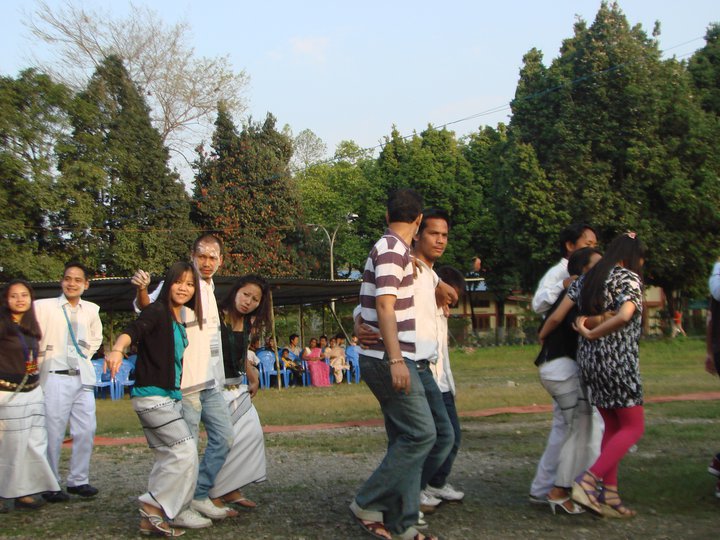
Photographs from Reh Festival, shot on our own departures and by license-cleared contributors.
16
Responsible festival etiquette
Reh Festival is a living cultural event hosted by the Idu Mishmi community. Please attend as a respectful guest, not a spectator.
- Always ask permission before photographing elders, priests or performers.
- Dress modestly — cover shoulders and knees, especially around ceremonial spaces.
- Follow instructions from community elders and event organisers.
- Do not touch ritual objects, altars or sacred poles.
- Carry your waste back; avoid single-use plastics at venues.
- Buy directly from local artisans and homestays to support the host community.
17
Frequently asked questions
When is Reh Festival held?+
Reh Festival is celebrated in February each year at Roing & Anini, Arunachal Pradesh. It typically runs for 6 days (around 1–6 February). Exact dates vary annually — check the state tourism board nearer the date.
Which community celebrates Reh Festival?+
Reh Festival is celebrated by the Idu Mishmi community of Arunachal Pradesh.
Do I need a permit to attend Reh Festival?+
Yes. Indian nationals need an Inner Line Permit (ILP) for Arunachal Pradesh, applied for online through the state e-ILP portal or at a state office. Foreign nationals need a Protected Area Permit (PAP), which is normally arranged through a registered tour operator and takes several weeks. Permit rules change from time to time, so confirm the current position with the state authority before you travel.
Where can I stay during Reh Festival?+
Options range from state-run tourist lodges to homestays and boutique camps. Accommodation books out months in advance for marquee festivals; reserve early.
Is Reh Festival suitable for families?+
Yes — the festival is family-friendly. Be mindful of crowd density on main performance days and dress modestly out of respect for community traditions.
18
Sample itinerary
- Day 1 — Arrive Dibrugarh, cross the Brahmaputra and drive to Roing in Lower Dibang Valley.
- Day 2 — Visit Mehao Lake and the Bhismaknagar archaeological site; evening with an Idu Mishmi homestay host.
- Day 3 — Drive up to Mayudia Pass for high-altitude rhododendron forests and Himalayan views.
- Day 4 — Full day at the Reh ground in Roing or Anini: Idu Mishmi shaman (Igu) chants, mithun sacrificial rituals and community feast.
- Day 5 — Second festival day for the inter-village dances and weaving demonstrations.
- Day 6 — Visit Mishmi villages along the Dibang and return to Dibrugarh for departure.
19
Plan a Reh Festival journey
Journeys around Reh Festival are planned and operated on the ground by Living Roots Expeditions, working with host families, village councils and tribal interpreters in Roing & Anini. Private departures and small groups can be built around the festival days, with permits, transport and homestays arranged end to end. Tell us your dates and group size and we will send an itinerary and an approximate cost.
Prefer a form? Send a detailed enquiry →
Continue exploring
More festivals of Arunachal Pradesh


Performing traditions
Folk dances of Arunachal Pradesh


Travel with us
Expeditions featuring Reh Festival


See the full Festivals of Arunachal Pradesh guide for the state-wide calendar, expeditions and travel advice.
Festival calendar
Other festivals around this time
Planning a Northeast trip in February? These festivals overlap or sit close to Reh Festival on the calendar.
Sekrenyi Festival
Angami Naga · Kohima, Nagaland
February
Wancho Oriah Festival
Wancho · Longding District, Arunachal Pradesh
February
Losar Festival
Monpa · Tawang, Arunachal Pradesh
February / March
Nyokum Yullo
Nyishi · Itanagar & Nyishi villages, Arunachal Pradesh
February
Yaoshang
Meitei · Statewide (Imphal, Bishnupur, Thoubal), Manipur
February/March
Plan this trip
Travel to Reh Festival with us.
Permits, transport, vetted homestays and on-ground guides — write to us and we'll shape an itinerary around Reh Festival.