Arunachal Pradesh · November
Chalo Loku Festival
Nocte harvest festival of swords, songs and ancestral feasts.
Quick facts
- Festival
- Chalo Loku Festival
- State
- Arunachal Pradesh
- Place
- Khonsa, Tirap
- Month
- November
- Tribe
- Nocte
- Duration
- 3 days
- Best for
- Tribal heritagePhotographyOff-beat travel
01
About Chalo Loku Festival
Chalo Loku is the post-harvest festival of the Nocte community of Tirap district in southern Arunachal Pradesh. It is celebrated to thank the village deities for the harvest and to seek their blessings for the coming year.
The festival is centred on Khonsa, the district headquarters of Tirap, and is among the least-visited of Arunachal Pradesh's major festivals — a genuine off-beat option for travellers seeking direct contact with tribal cultural life.
02
Festival highlights at a glance
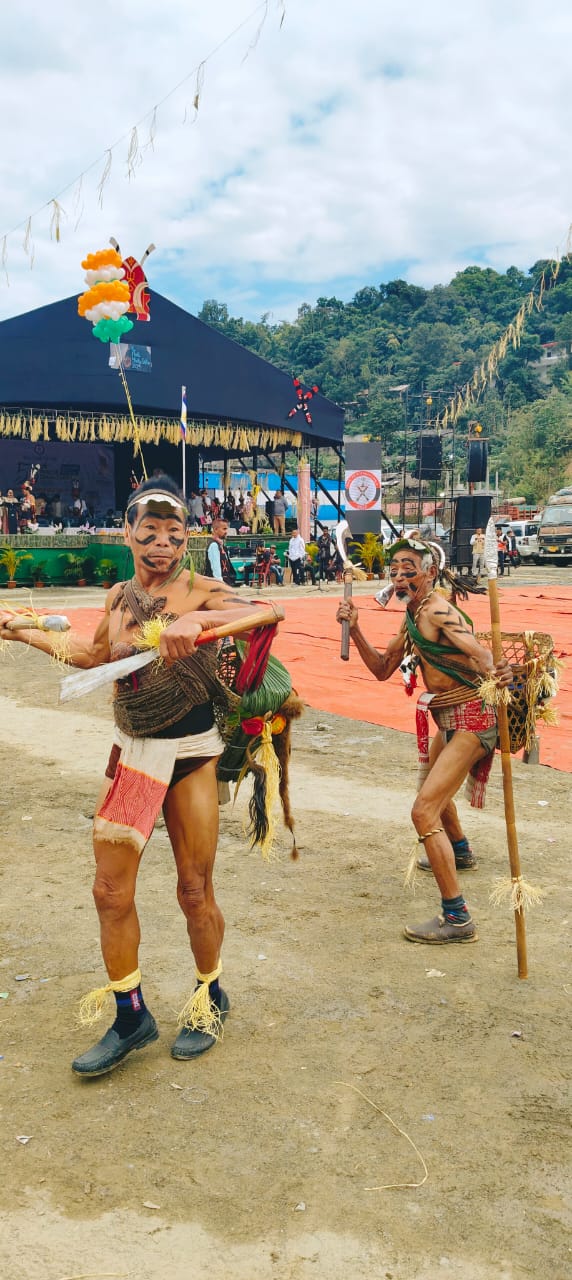
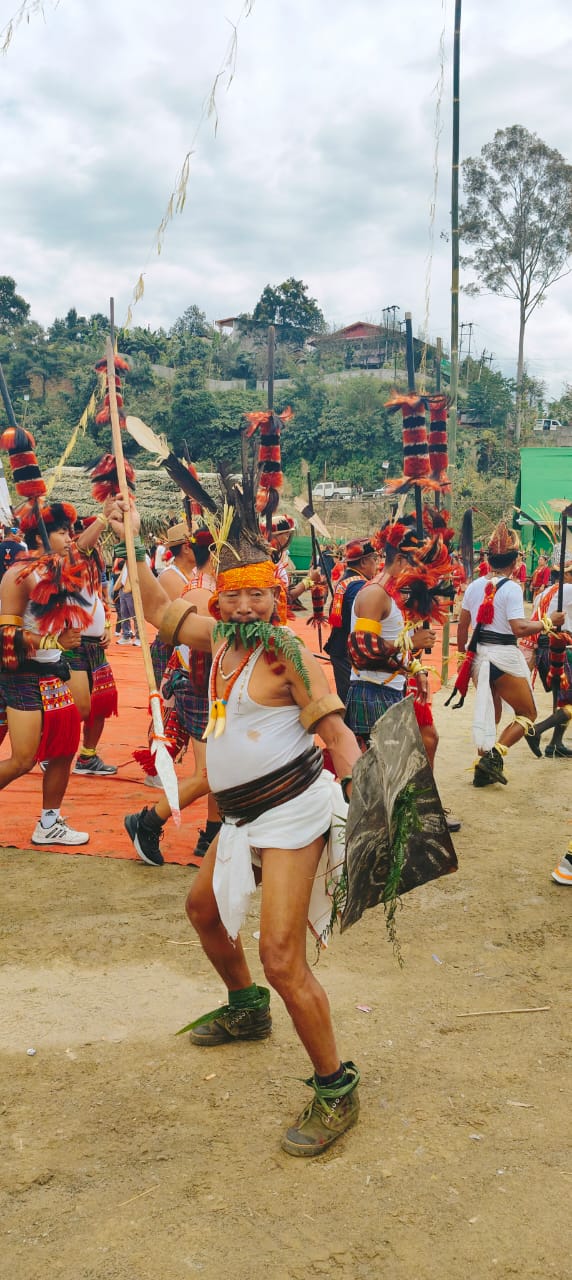
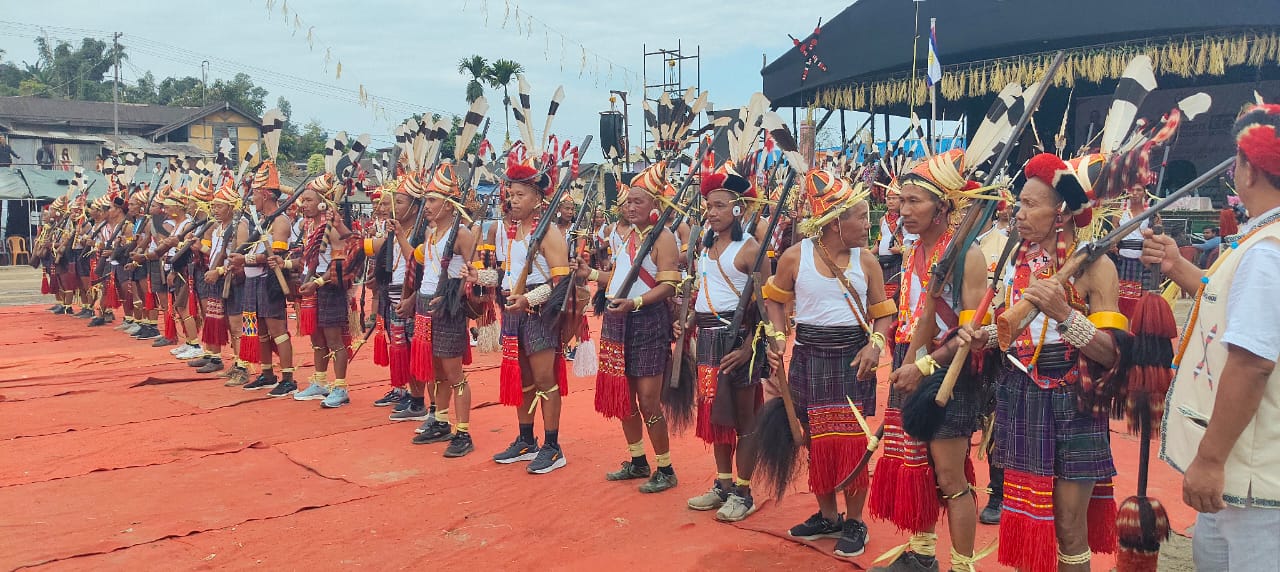
- Nocte warriors in dao-swords and feathered headgear
- Ritual procession from the chief's (Lowang) house
- Community feasting and rice-beer sharing
- Folk songs recounting Nocte migration history
03
Why visit Chalo Loku Festival?
- One of the least-visited festivals on this list — true off-beat travel
- Direct contact with Nocte chiefs and clan elders
- Insight into Tirap's distinct culture, separate from central Arunachal
04
Festival history
Chalo Loku is a traditional Nocte agricultural festival that has been celebrated in Nocte villages of Tirap for generations. Its public state-level form has been promoted by the Arunachal Pradesh Department of Tourism in recent years to give the Nocte community a platform comparable to the larger Naga and Adi festivals.
05
Dates and venue
- Annual dates: late November — the central Chalo Loku at Khonsa runs over roughly 21–25 November, with the main day on 25 November. Village-level Loku rites in Tirap are set separately by clan elders and can fall earlier in the harvest season.
- Main venue: Khonsa, Tirap district headquarters; village-level celebrations across Nocte villages in Tirap.
06
Tribe and community
The Nocte are a community settled mainly in Tirap district, with linguistic and cultural links to the Konyak Naga of Nagaland and Myanmar. They are traditionally organised around the village chief (Lowang) and the Khel (clan division).
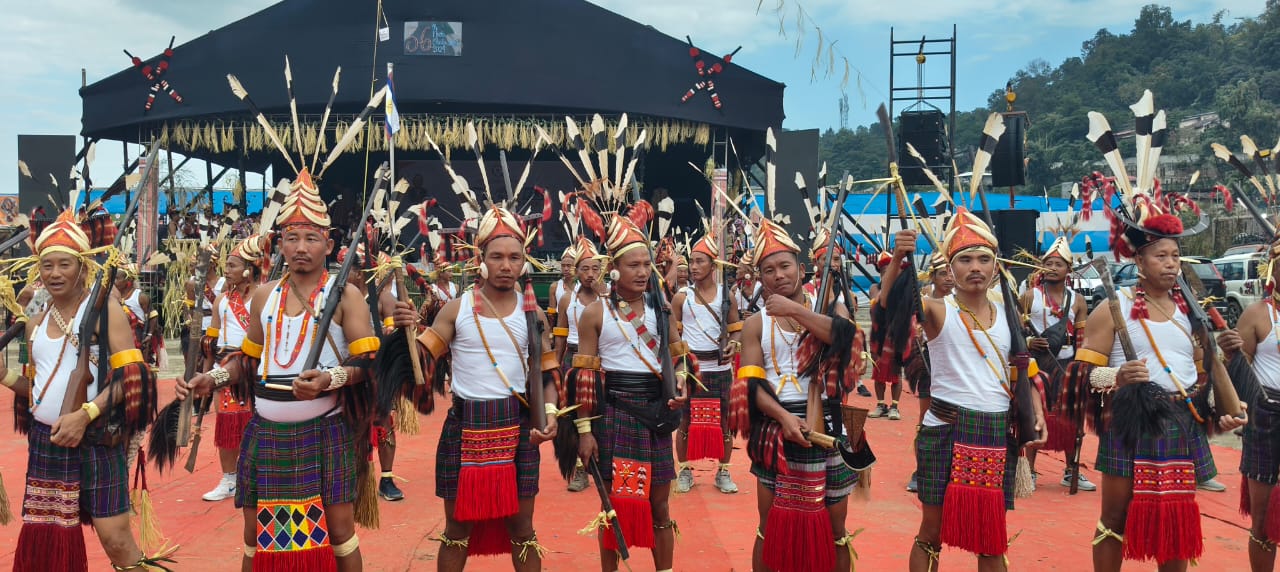
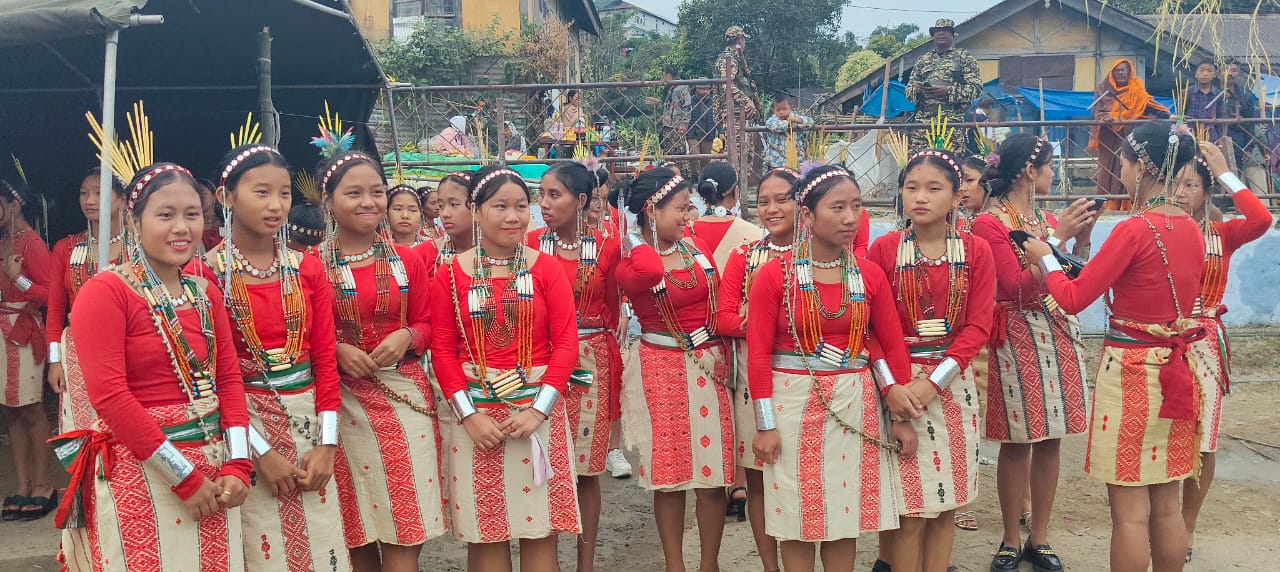
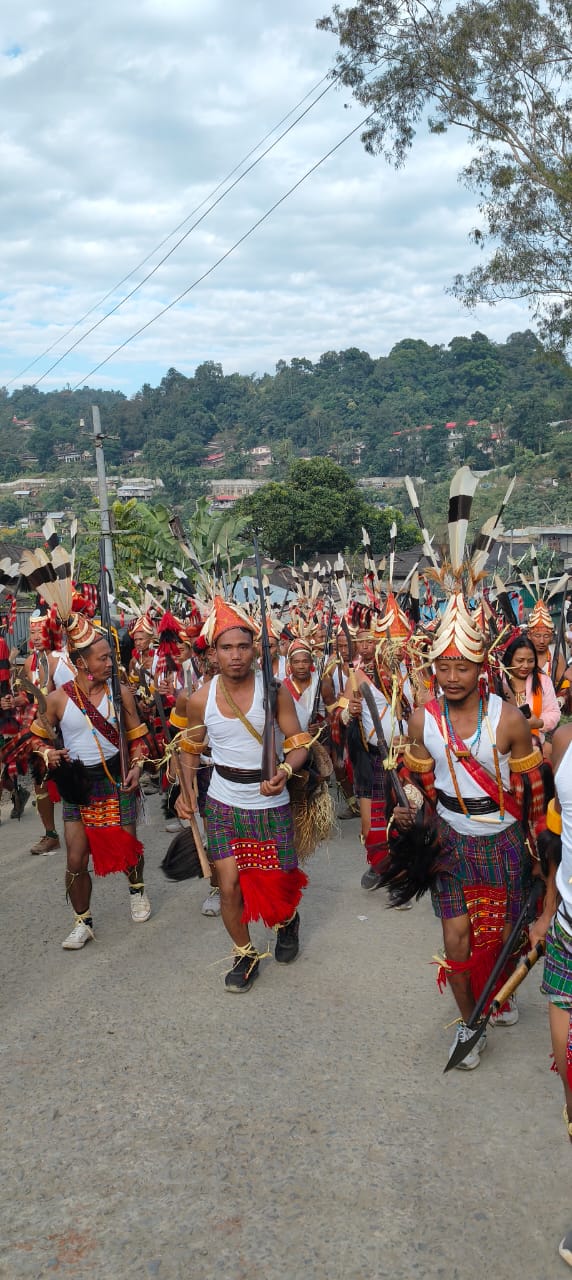
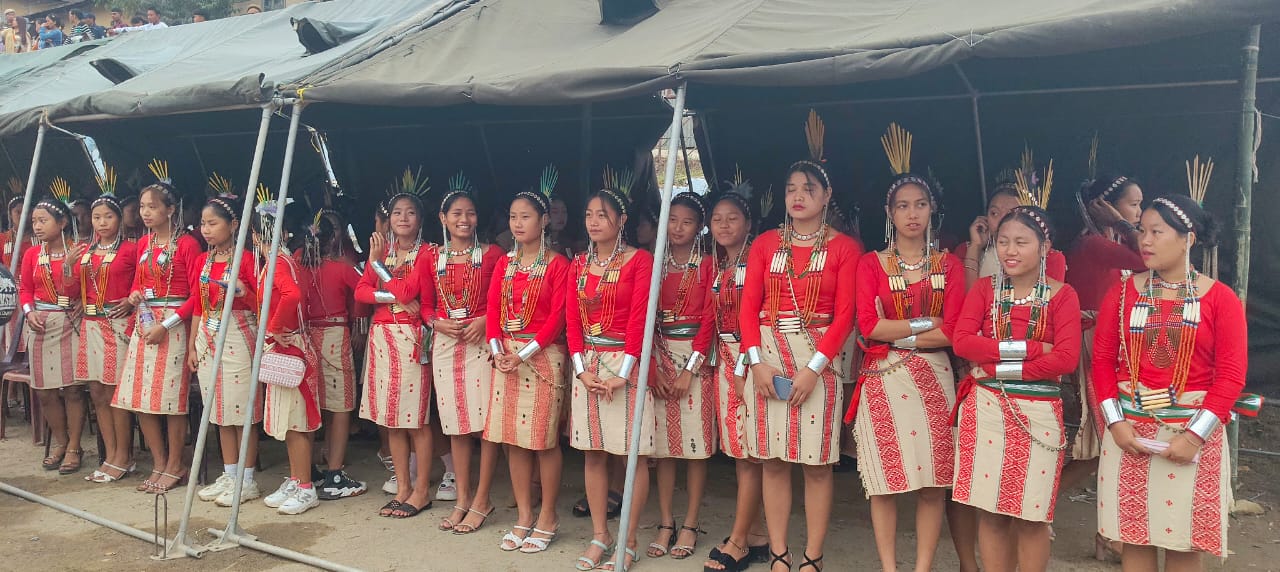
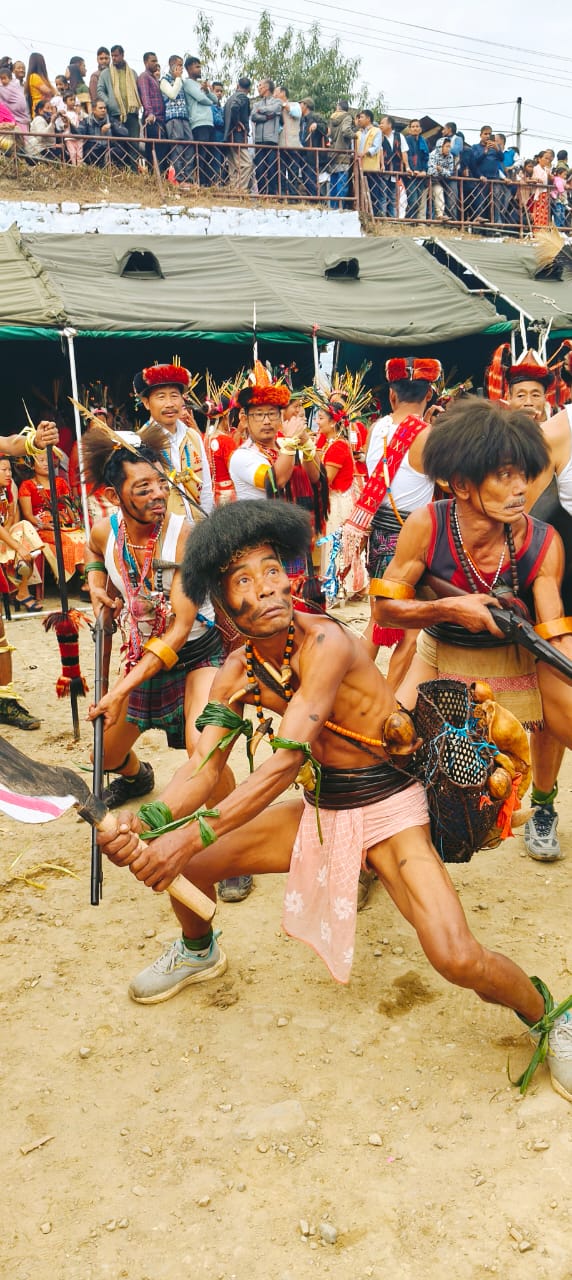
Nocte men at Chalo Loku wear traditional cane helmets and dao swords; women wear handwoven wraparound skirts with bead jewellery.
07
Cultural significance
Chalo Loku is a thanksgiving for the year's harvest and a renewal of the bond between the village deities, the Lowang and the wider community.
08
Main attractions
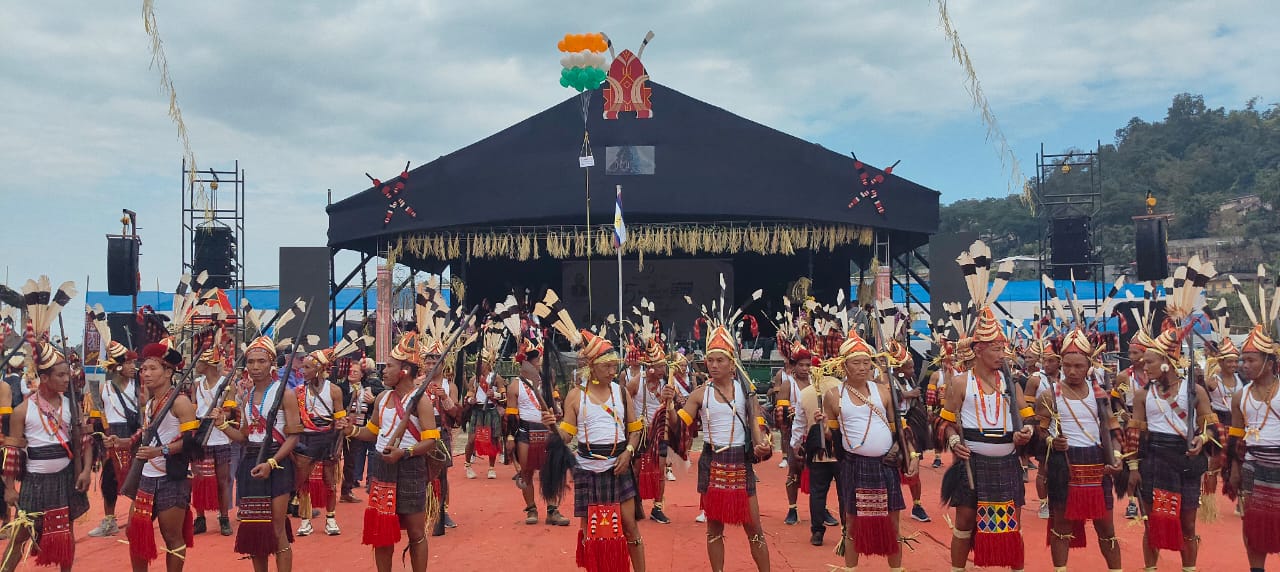
- Procession from the Lowang's house through the village.
- Nocte warriors in cane helmets and feathered headgear.
- Community feasting and rice-beer sharing.
- Folk songs recounting Nocte migration history.
- Indigenous Nocte cuisine and crafts displays at the main ground.
09
How to reach
- Air: Dibrugarh Airport (DIB) in Assam, ~180 km from Khonsa, is the most convenient.
- Rail: Tinsukia Junction and Dibrugarh are the nearest railheads.
- Road: From Dibrugarh / Tinsukia it is a 5–7 hour drive to Khonsa via Margherita and Deomali. Hired vehicles are the standard option.
10
Permit information
Indian nationals require an Inner Line Permit (ILP) for Arunachal Pradesh; apply online via the e-ILP portal.
Foreign nationals require a Protected Area Permit (PAP), arranged via a registered tour operator. Tirap is sensitive border country; check current security advisories before travel.
11
Weather and best time to visit
Late November in Khonsa is dry and cool, with daytime temperatures around 20–26 °C and nights around 10–15 °C. Carry light cottons for the day and a proper warm layer for mornings and evenings.
12
Accommodation options
Khonsa has a small set of government circuit houses and a few private guesthouses. Accommodation is basic; book directly through tour operators or the District Tourism Office well in advance.
13
Photography tips
- Procession shots work best from the edge of the main ground in mid-morning light.
- Always ask permission before close portraits of warriors and elders.
- Carry a 24–70 mm zoom for flexibility; lighting at festival venues is often uneven.
14
Nearby attractions
- Lazu, a Wancho-Nocte village with elaborate traditional houses.
- Deomali — the gateway town from Assam.
- Namdapha National Park (longer onward trip from Tirap via Changlang).
15
Festival gallery
Photographs from Chalo Loku Festival, shot on our own departures and by license-cleared contributors.
16
Responsible festival etiquette
Chalo Loku Festival is a living cultural event hosted by the Nocte community. Please attend as a respectful guest, not a spectator.
- Always ask permission before photographing elders, priests or performers.
- Dress modestly — cover shoulders and knees, especially around ceremonial spaces.
- Follow instructions from community elders and event organisers.
- Do not touch ritual objects, altars or sacred poles.
- Carry your waste back; avoid single-use plastics at venues.
- Buy directly from local artisans and homestays to support the host community.
17
Frequently asked questions
When is Chalo Loku Festival held?+
Chalo Loku Festival is celebrated in November each year at Khonsa, Tirap, Arunachal Pradesh. It typically runs for 3 days. Exact dates vary annually — check the state tourism board nearer the date.
Which community celebrates Chalo Loku Festival?+
Chalo Loku Festival is celebrated by the Nocte community of Arunachal Pradesh.
Do I need a permit to attend Chalo Loku Festival?+
Yes. Indian nationals need an Inner Line Permit (ILP) for Arunachal Pradesh, applied for online through the state e-ILP portal or at a state office. Foreign nationals need a Protected Area Permit (PAP), which is normally arranged through a registered tour operator and takes several weeks. Permit rules change from time to time, so confirm the current position with the state authority before you travel.
Where can I stay during Chalo Loku Festival?+
Options range from state-run tourist lodges to homestays and boutique camps. Accommodation books out months in advance for marquee festivals; reserve early.
Is Chalo Loku Festival suitable for families?+
Yes — the festival is family-friendly. Be mindful of crowd density on main performance days and dress modestly out of respect for community traditions.
18
Sample itinerary
- Day 1 — Arrive Dibrugarh, drive to Khonsa, headquarters of Tirap district.
- Day 2 — Full day at the Chalo Loku ground: Nocte warrior procession, dao dances and feathered headgear display.
- Day 3 — Second day at the festival for community feasting and Lowang chief's address; visit a Nocte morung.
- Day 4 — Drive to nearby Nocte villages such as Lazu or Kheti for village walks and weaving demonstrations.
- Day 5 — Return to Dibrugarh via Margherita and the Stilwell Road viewpoint for departure.
19
Plan a Chalo Loku Festival journey
Journeys around Chalo Loku Festival are planned and operated on the ground by Living Roots Expeditions, working with host families, village councils and tribal interpreters in Khonsa, Tirap. Private departures and small groups can be built around the festival days, with permits, transport and homestays arranged end to end. Tell us your dates and group size and we will send an itinerary and an approximate cost.
Prefer a form? Send a detailed enquiry →
Continue exploring
More festivals of Arunachal Pradesh


Performing traditions
Folk dances of Arunachal Pradesh


Travel with us
Expeditions featuring Chalo Loku Festival


The Nocte community also keeps village traditions documented on this site — Borduria, Tirap, Namsang, Tirap and Khonsa, Tirap. To travel to them with permits and hosts arranged, see our cultural and tribal tours in Northeast India.
See the full Festivals of Arunachal Pradesh guide for the state-wide calendar, expeditions and travel advice.
Festival calendar
Other festivals around this time
Planning a Northeast trip in November? These festivals overlap or sit close to Chalo Loku Festival on the calendar.
Wangala Festival
Garo · Asanang, West Garo Hills, Meghalaya
November
Nongkrem Dance Festival
Khasi · Smit Village, Meghalaya
November
Shillong Cherry Blossom Festival
Pan-Northeast · Shillong, Meghalaya
November
Raas Mahotsav
Assamese Vaishnava · Majuli Island, Assam
November
Sangai Festival
Meitei & hill tribes · Imphal, Manipur
November
Ningol Chakouba
Meitei · Meitei households across the Imphal Valley, Manipur
October/November
Jatinga Festival
Dima Hasao communities · Jatinga, Dima Hasao, Assam
November
Maihadi Festival
Dima Hasao communities · Nobdi-Langting, Dima Hasao, Assam
November
Plan this trip
Travel to Chalo Loku Festival with us.
Permits, transport, vetted homestays and on-ground guides — write to us and we'll shape an itinerary around Chalo Loku Festival.