Nagaland · All Naga tribes
Warrior Dance
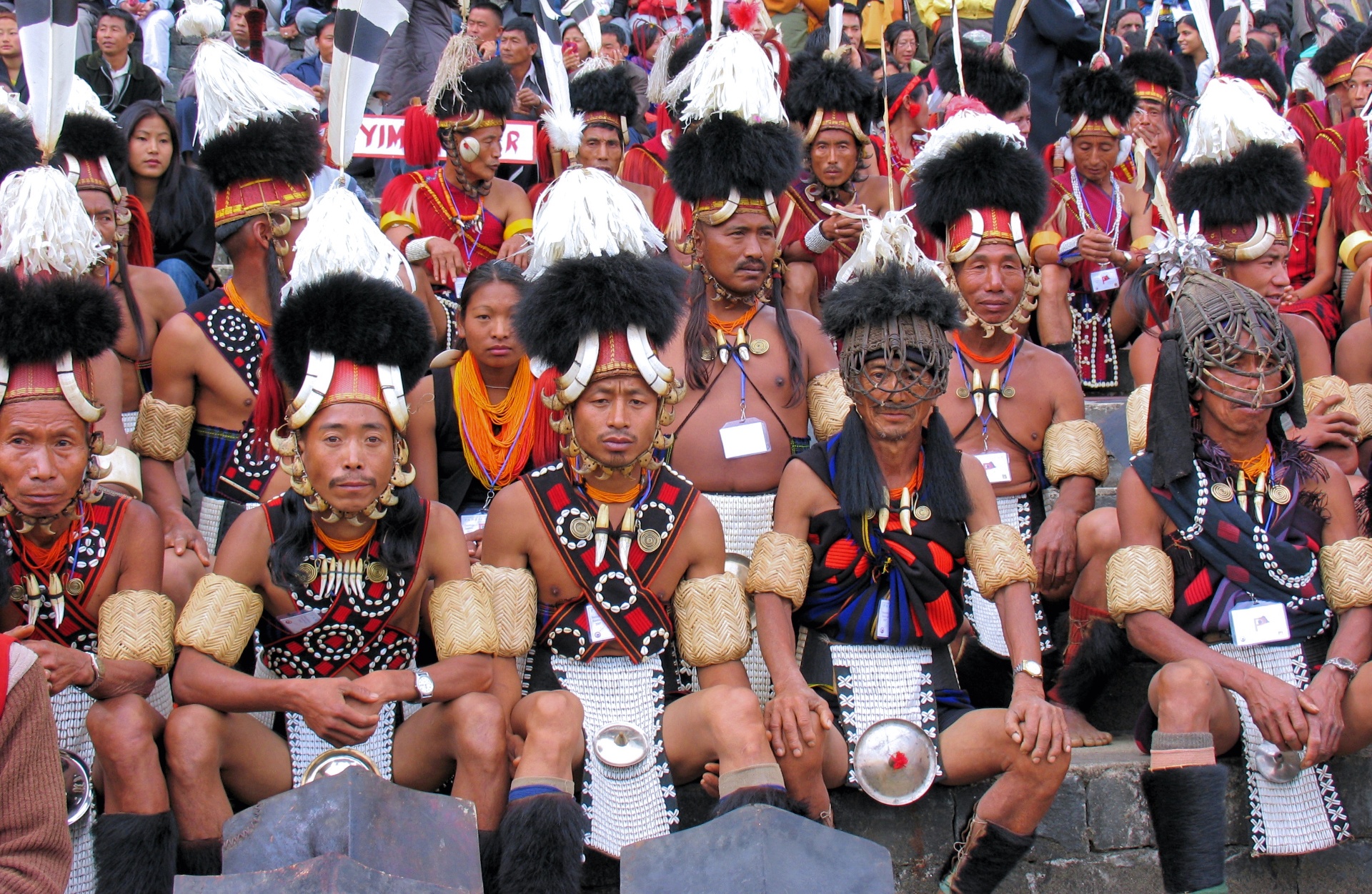
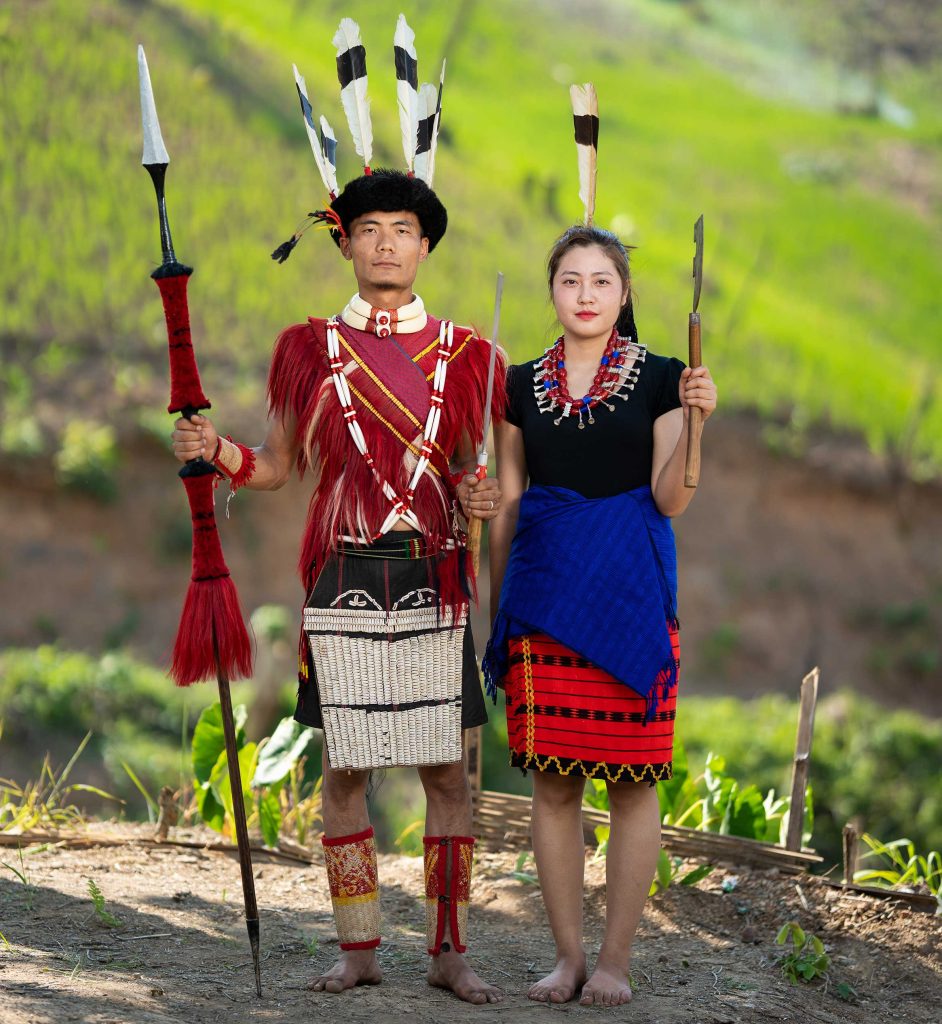
The Naga Warrior Dance is the dramatic battle dance performed at the Hornbill Festival and village ceremonies across Nagaland. Men in full war regalia — hornbill-feather headdresses, dao swords and shields of mithun hide — re-enact tribal warfare with deep war cries and stamping rhythms. It is the most photographed performance of Northeast India.

Quick facts
- Dance
- Warrior Dance
- State
- Nagaland
- Tribe / Community
- All Naga tribes
- Region
- Northeast India
01
Overview
The Warrior Dance (often called the Naga War Dance) is the most iconic performance of Nagaland — a re-enactment of pre-colonial inter-village warfare.
Each of Nagaland's major tribes — Angami, Ao, Sumi, Konyak, Lotha, Chakhesang, Phom and others — performs its own version, distinguished by costume, weapons and battle cries.
02
History
Until the late 19th century, warfare and headhunting were central to Naga social organisation; the dance evolved as both training and triumph for the warriors.
After the conversion to Christianity and the end of headhunting, the dance survived as a celebration of valour, performed at village festivals and at Kisama during the Hornbill Festival.
03
Tribe & Community
All 17 recognised Naga tribes perform some form of the Warrior Dance; the Konyak version, with full headhunter regalia, is the most photographed.
Performers are men of warrior age, usually members of the village morung (men's house).
04
Costumes
- Hornbill-feather headdresses, animal-tooth necklaces, cowrie-shell chest bands and red goat-hair plumes.
- Dao machete or spear in one hand and a hide shield in the other; ankle bells and stamping foot rings amplify the beat.
05
Festivals Where Performed
- Hornbill Festival — Kisama Heritage Village, 1–10 December.
- Aoleang (Konyak new year, April), Sekrenyi (Angami, February), Moatsu (Ao, May), Tokhu Emong (Lotha, November).
06
Best Places to Watch
- Kisama Heritage Village, 12 km from Kohima — Hornbill Festival.
- Mon district — Konyak villages of Longwa and Shangnyu.
- Touphema and Khonoma heritage villages.
Where to watch